Last updated: May 2026 · 15 min read · Corporate Stays Editorial
Key Takeaways
- Bleisure travel combines business and leisure travel on a single trip, with two-thirds of corporate travelers extending a work trip for leisure in 2023, according to Deloitte’s 2024 Corporate Travel Report.
- Employees often realize cost savings on airfare, as employers typically cover flights, leaving only lodging and personal expenses for the leisure portion.
- The bleisure travel market is experiencing continued growth, with strong positive outlooks and projections for explosive expansion over the next decade.
- This trend changes how companies plan corporate travel, house employees, and manage business and personal expenses within policy frameworks.
- The article explains what bleisure travel is, profiles the modern bleisure traveler, illustrates day-to-day realities, and shows why corporate housing outperforms hotels for extended stays.
- Corporate Stays approaches bleisure from a policy-aligned perspective, offering premium furnished apartments designed to support both business and leisure travel seamlessly.
What Is Bleisure Travel?
Bleisure travel is the practice of combining business travel with a leisure component, allowing employees to extend work trips before or after their professional obligations. Rather than flying in for a three-day conference and immediately returning home, travelers add personal days—often referred to as vacation time—to explore the destination, decompress, or bring family members along for the extended stay. These extensions frequently take the form of mini vacations, reflecting a growing trend in corporate travel.
The term “bleisure” was first used in 2009 in a trend report published by The Future Laboratory, co-authored by Jacob Strand and Myriam Rayman. What began as a niche behaviour has become structural. According to the American Hotel & Lodging Association, 48% of business travelers took at least one bleisure trip in 2023 alone. The global bleisure travel market was valued at $315.3 billion in 2022 and is projected to reach $731.4 billion by 2032, according to Allied Market Research — a compound annual growth rate of 8.9%.
This isn’t a perk. It’s a shift in how employees think about work trips.
In Navan and Skift’s State of Corporate Travel and Expense 2025, 55% of business travelers took at least two blended trips in 2024 alone — confirming that integrating leisure into business travel has moved from exception to expectation. Deloitte’s 2024 Corporate Travel Report reinforces this shift: two-thirds of corporate travelers extended a business trip for leisure last year, with one in seven doing so three or more times. Younger professionals are driving the trend hardest: 79% of Gen Z business travelers say exploring new places is a core reason they travel for work, compared to 60% of Gen X, and millennials now represent over 42% of global bleisure travel revenue, according to Mordor Intelligence.
For HR and global mobility teams, bleisure travel means anticipating mixed-purpose trips in policy, housing, and expense guidance from the outset. Business trips now routinely include a leisure component. Treating them as exceptions creates friction for finance teams, travelers, and compliance.
Bleisure differs from a workation in one critical way: it remains anchored to a defined business purpose. A workation is often fully remote and open-ended. A bleisure trip starts with a client meeting, a project phase, or a conference. The leisure portion extends from that anchor, often to seek immersive experiences and visit new places—exploring local culture, cuisine, and attractions beyond the typical business itinerary.
Consider a practical scenario: a senior manager flies to Montreal for a three-day client engagement. Instead of returning immediately, she extends the stay to six days, keeping the same corporate housing apartment for the leisure portion. The business days are covered by the company. The personal days are self-funded. The accommodation remains consistent. The policy is clear.
“We design housing for travelers who arrive for work and stay for life. Bleisure isn’t a trend we’re adapting to—it’s the reality we built for.”

Who Is the Modern Bleisure Traveler?
Modern bleisure travelers are diverse in role and seniority, including sales teams who are increasingly engaging in bleisure travel. They share common priorities: stability in accommodation, high-quality amenities, and the ability to combine business and personal time without logistical friction. Understanding these profiles helps HR teams design housing policies that work.
The project-based executive is a senior manager deployed to Toronto or Vancouver for a multi-week infrastructure rollout or system implementation. She extends weekends for local exploration—hiking trails, restaurant reservations, gallery visits. Her priorities include reliable workspace, privacy, and corporate travel standards that remain consistent across locations. Research indicates that 73% of business travelers believe that opportunities for bleisure travel benefit them as employees, contributing to lower stress levels and increased happiness. Bleisure travelers often spend more money on leisure activities during these extended stays, making additional expenditure a key consideration for policy makers.
The relocating professional uses a bleisure trip as a soft landing before a permanent move. He combines initial onboarding meetings with time to explore neighborhoods from a furnished apartment base. This approach lets him test commute routes, evaluate schools, and assess livability before signing a lease. The corporate housing serves as a trial run for the city itself.
The hybrid remote traveler works part of the week in-office and part remotely. Remote work enables longer stays and more flexible travel, allowing her to extend a business trip to Calgary for quarterly planning and work remotely for an additional week, enjoying the mountain access and local scene. She needs stable wifi, a dedicated workspace, and a home-like environment that supports focused output. Millennials are the age group most likely to take bleisure trips, with 57% of companies having policies that accommodate this trend for younger employees.
The traveler with pets refuses to leave life behind. A three-week assignment in Panama City means bringing the dog. Corporate Stays’ pet-friendly furnished apartments support this profile, eliminating the stress and cost of repeated boarding while allowing leisure days to flow naturally from business commitments.
These profiles shape what “acceptable” business and leisure travel now looks like. HR teams writing corporate travel policy must account for each.
What Does Bleisure Actually Look Like Day-to-Day?
Bleisure travel is best understood through daily rhythm rather than abstract definition. A well-designed furnished apartment allows the traveler to shift smoothly between video calls, strategy work, and exploring the city—without the constant reset of a standard hotel stay. Extended stays also support local businesses such as farmers and artisans, promoting sustainable and socially responsible travel practices that benefit the local economy.
The following sections follow a typical day to show how business and leisure integrate in practice.
Morning — A Home, Not a Check-In
The day begins in a separate bedroom. No cramped hotel room with a desk jammed next to the bed. The traveler moves to a full kitchen, prepares breakfast—rather than relying on a hotel’s free breakfast perk—and settles into a dedicated workspace with ergonomic seating and high-speed wifi. Coffee brews while she joins an 8 AM video conference with colleagues three time zones away.
This home-like routine supports performance. Stable mornings reduce cognitive load, help with time zone adjustment, and create the consistency that productive employees need during demanding assignments. Work-life balance is improved through bleisure travel by mitigating burnout from corporate travel and encouraging cultural immersion.
Features that matter: reliable connectivity for video conferences, quiet spaces for focused work, secure access, and the ability to keep personal items and files organized over longer stays. None of this requires daily housekeeping interruptions or lobby check-ins.
The contrast with traditional corporate travel is stark. Frequent packing, room changes, and check-in cycles erode focus and energy. Routine equals performance. Consistent mornings in a well-equipped apartment contribute directly to better output during high-stakes business meetings.
Afternoon — Perform at Your Best
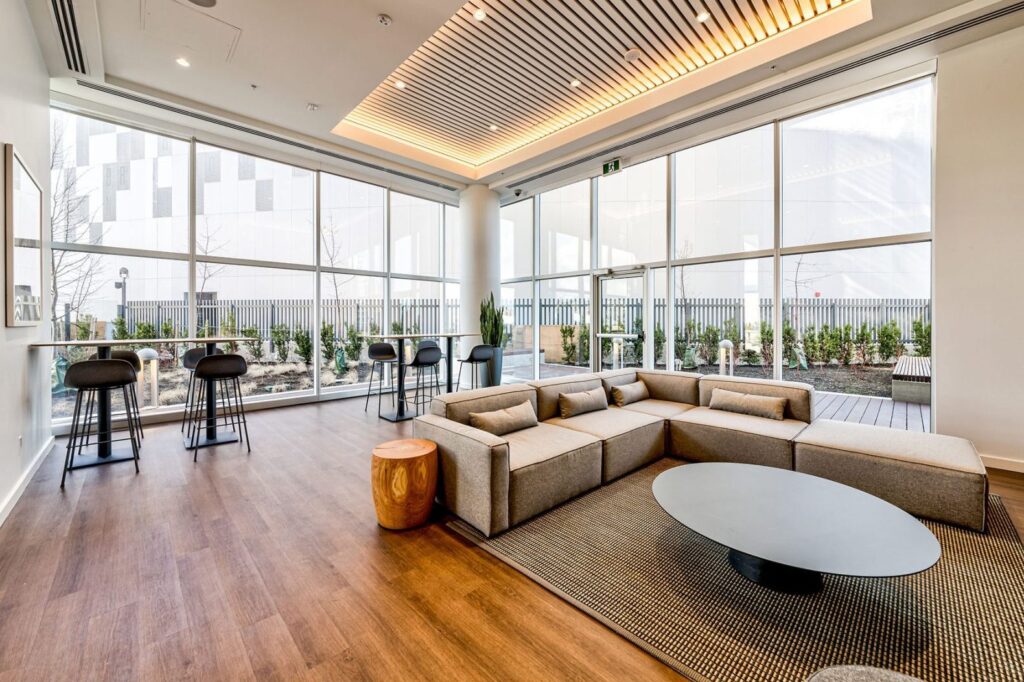
The afternoon belongs to business. Back-to-back meetings, client site visits, presentations, followed by time blocked for follow-ups from the apartment’s workspace. The structure mirrors a productive day at headquarters, not the disorientation of transient hotel stays.
56% of bleisure travelers actively pursue wellness experiences, such as hiking and spa treatments, during their trips. Some Corporate Stays locations offer or coordinate access to on-site or partner spa facilities. This isn’t indulgence—it’s structured recovery that sustains performance over multi-week assignments.
For frequent travelers, proactive recovery helps mitigate travel fatigue, prevent burnout, and keep bleisure trips sustainable. HR teams should view wellness amenities as a lever to keep employees effective during long assignments, not as discretionary perks.
Employees who integrate travel with work express more fulfillment, leading to higher job satisfaction and retention, as bleisure travel enhances work-life balance. By extending their stays for leisure activities, business travelers prioritize their personal physical and mental well-being, leading to higher job satisfaction and overall productivity.
A well-designed corporate housing environment lets travelers complete essential tasks efficiently, then step away for short, high-impact recovery without losing the productivity benefits of being on site.
Evening — The City Is the Experience
Laptop closed. Work secured in the apartment. The city becomes an extension of the assignment.
Evening means exploring restaurants, cultural events, sightseeing locations, or waterfront areas without logistics friction. The traveler isn’t returning to a hotel bar and room service menu—she’s immersed in the destination. This blend of evening leisure and meaningful local experience differentiates bleisure travel from older models of corporate travel.
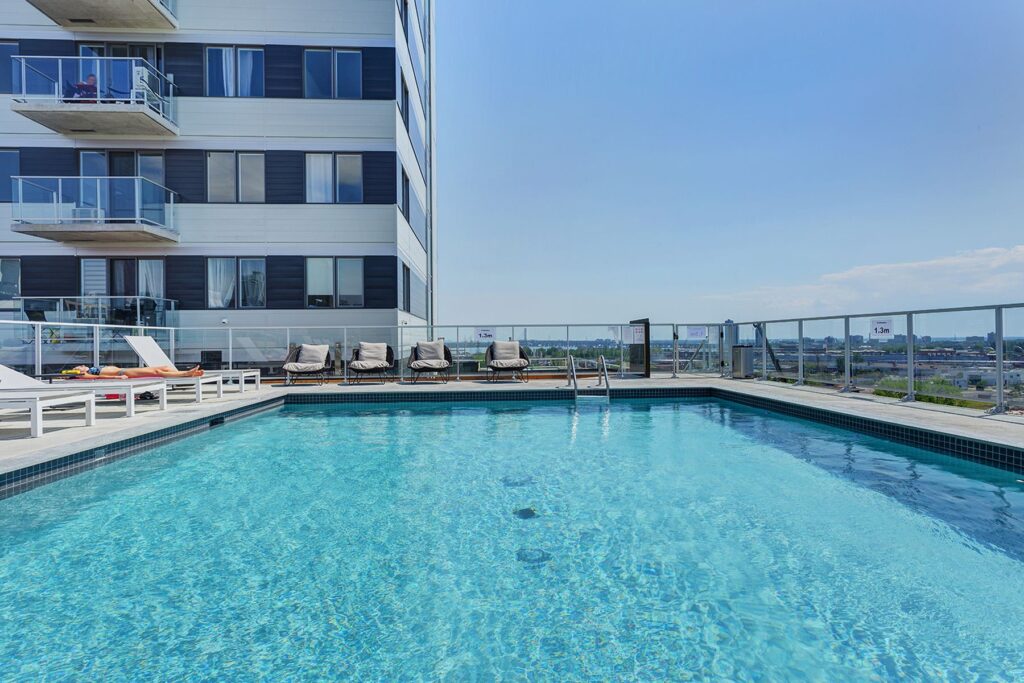
The rooftop infinity pool is the amenity that makes a demanding assignment worth taking. After a long day of client negotiations, stepping up to a Corporate Stays rooftop with skyline views and still water turns the city into part of the experience. For travelers doing repeated trips to the same destination or extended stays, this matters.
Many bleisure travelers extend their stays specifically because amenities and neighborhood access make it easy to switch from business to leisure without logistics friction. Sustainability benefits from bleisure travel include reduced transit-related carbon emissions by combining multiple itineraries into a single trip.
Why Corporate Housing Beats Hotels for Bleisure
Hotels serve short stays well. For extended bleisure trips, corporate housing delivers stronger operational and human benefits.
The difference starts with a dedicated housing specialist. Corporate Stays assigns experts who understand both the traveler’s needs and HR’s policy constraints. A traditional front desk is designed for transient guests checking in and out. A housing specialist manages booking, extensions, changes, and special requests across multiple destinations as a single point of contact.
This benefits HR, global mobility, and finance teams directly. One partner handles coordination across cities, simplifying corporate travel oversight and reducing the friction of managing multiple hotel relationships. The concierge service arranges airport transfers, local recommendations, and practical support, ensuring business and leisure elements run smoothly.
For the traveler, advantages include more space, proper kitchens, laundry, pet-friendly options, and consistent property standards across cities. These matter when combining business and leisure travel over weeks or months.
When considering bleisure options, it is essential to obtain managerial and financial approval before combining business and leisure activities. This ensures smooth planning and reimbursement processes, and aligns with company policy.
Bleisure travel complicates expense management as it requires finance teams to separate business and personal costs accurately, which can lead to errors and compliance risks if not handled properly. Corporate housing offers clearer cost expectations: predictable pricing bands, consistent quality benchmarks, and transparent separation between business and personal elements. Business days are covered by the company. Personal extensions are self-pay. The structure is clear.
A robust bleisure travel policy should include clear rules so employees understand expectations, minimize risks, and maintain consistency in how leisure extensions are managed. Automated expense management systems can categorize personal expenses automatically using predefined rules and documented travel details, reducing manual errors and improving compliance.
The lack of clear guidelines and policies for bleisure travel can create confusion for employees regarding what expenses are reimbursable, leading to potential disputes and dissatisfaction. As bleisure travel becomes more common, companies face challenges in monitoring policy compliance, as violations are often discovered only after expenses have been submitted, complicating enforcement.
“We built our model for people who live in apartments, not pass through them. That’s why HR teams trust us with their longest, most complex assignments.”
Beyond Business — The Corporate Stays Difference
Corporate Stays designs apartments for people who live and work in them for weeks or months, not just overnight stays. This aligns naturally with bleisure travel patterns and supports the continued growth of this trend in the corporate travel market.
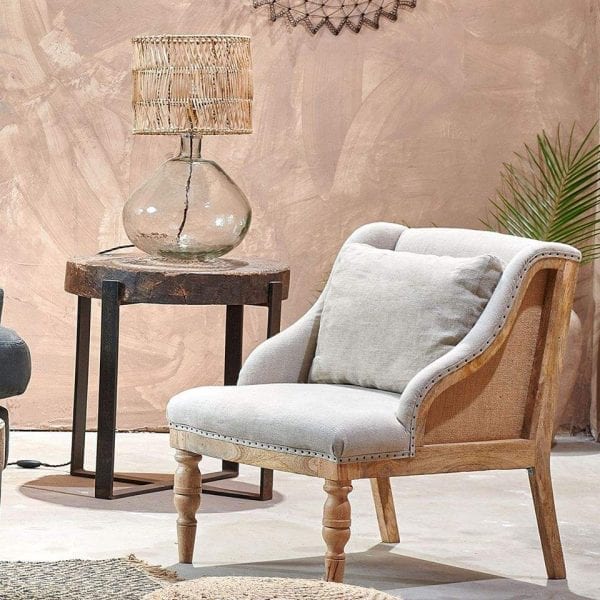
Many furnished apartments feature Casa Suarez pieces—furniture designed for craftsmanship, durability, and a residential aesthetic suited to long corporate travel assignments. The design helps travelers feel grounded, making it easier to transition between meetings, focused work, and leisure time without the “temporary” feel of a standard hotel room.
Guests who appreciate the furniture or décor can purchase the same items directly through the Casa Suarez online shop. The experience continues at home. This isn’t a sales pitch—it’s an extension of the design philosophy that shapes every Corporate Stays property.
Corporate Stays aims to provide continuity: the same sense of home, comfort, and design whether a traveler is on a three-week assignment or transitioning between cities over several months. Companies that embrace bleisure travel can foster employee satisfaction, productivity, and overall well-being, making it a valuable tool for talent recruitment and retention. Travellers deserve policies that recognize their need for work-life balance and personal time during business trips, reinforcing organizational commitment to their well-being.
For Frequent Travelers — The Stay+ Advantage
Frequent bleisure travelers and corporate travel regulars value familiarity, recognition, and a relationship with their housing provider. Points programs don’t address this. Relationships do.
Stay+ is Corporate Stays’ relationship-based loyalty framework, focused on understanding guest preferences, travel patterns, and corporate policy needs rather than accumulating generic rewards.
Members receive priority access to high-demand Signature Collection apartments, tailored support from a team that already knows their preferences, and more seamless coordination for repeated trips. For executives with intensive bleisure travel schedules, Signature Collection properties are often the first choice.
Stay+ also benefits HR and finance by reducing variability. Repeat travelers are more likely to follow housing and expense norms when they return to a known provider and familiar settings. A strong bleisure travel policy should provide clear guidelines on how mixed-purpose trips are approved, paid for, and documented, balancing flexibility with control to protect both the company and the employee.
Effective bleisure travel strategies include extending trips over weekends and integrating work and leisure activities seamlessly. Bleisure travel allows employees to recharge and manage stress better, contributing to a more relaxed and happy workforce, which can reduce burnout.
See if Stay+ is right for you.
Frequently Asked Questions
These questions address common practical concerns from corporate travel managers, HR teams, and frequent bleisure travelers. Each answer is self-contained and extends the main article content.
What does bleisure travel mean?
Bleisure travel is a single trip that intentionally combines business and leisure elements, usually by extending corporate travel with personal days before or after the core business purpose. The business portion remains anchored to meetings, projects, or events, while the leisure portion—often referred to as the leisure component—covers personal activities, local exploration, or family time in the same destination.
For HR and finance teams, bleisure travel means planning for mixed business and personal expenses from the outset, instead of treating personal extensions as ad hoc exceptions. Essential components of a bleisure travel policy include defining the purpose and scope, outlining approval processes, establishing expense parameters, addressing safety and health considerations during leisure extensions, and understanding and managing the leisure component to ensure compliance and cost control.
Are Corporate Stays apartments pet-friendly?
Many Corporate Stays furnished apartments are pet-friendly, allowing travelers to bring cats or dogs on longer business and leisure trips, subject to building rules and local regulations. This helps frequent travelers avoid the stress and cost of repeated pet boarding, supporting a more sustainable lifestyle for people who spend significant time on the road.
HR or travel coordinators should clarify pet-related terms (such as deposits or cleaning requirements) with Corporate Stays when arranging long-term corporate travel accommodation. Pet-friendly options are especially valuable for bleisure travelers who extend assignments into weekends or holidays.
What amenities do Corporate Stays properties include?
Corporate Stays apartments typically include full kitchens, in-suite laundry, dedicated workspaces, high-speed wifi, and secure building access as standard features for business travelers. Many locations also offer access to fitness centers, spa facilities, and rooftop infinity pools, supporting both business productivity and leisure time.
All amenities are selected to support extended corporate travel, where travelers may be living and working in one place for 30 days or more. HR teams should align their corporate travel policy with these amenity standards so employees know what to expect during long assignments and bleisure trips.
What is the Stay+ program?
Stay+ is Corporate Stays’ loyalty and relationship program for frequent travelers and their employers, focused on continuity, recognition, and tailored support. Members may receive priority access to high-demand properties, preferred rates, and a team familiar with their preferences, travel patterns, and corporate travel policies.
To effectively manage bleisure travel, companies should implement clear cost-separation rules, consistent approval workflows, and comprehensive documentation requirements to prevent ambiguity and ensure compliance. Stay+ is designed for long-term relationships, especially for organizations that regularly send employees on multi-week or multi-month assignments.
How is Corporate Stays different from a hotel for a long assignment?
For long assignments and bleisure trips, Corporate Stays provides fully furnished apartments with kitchens, separate living and sleeping areas, and residential-style amenities that support daily life—not just overnight stays. Bleisure travel can lead to increased costs for employees, as extending stays for leisure purposes often results in higher accommodation and living expenses, which need to be budgeted carefully. Corporate housing provides predictable pricing that simplifies this planning.
HR and finance teams work with a dedicated housing specialist and concierge service, gaining a single point of contact across locations instead of managing multiple hotel relationships. This approach provides consistent quality, clearer cost expectations over 30–90+ day stays, and reduces friction when employees extend trips for personal time. The blending of business and leisure travel can blur the lines between work and personal time, making it challenging for employees to maintain a healthy work-life balance during their trips—corporate housing with defined spaces helps preserve that boundary.