Panama vs. Mexico: Choosing the Best Nomad Visa
Are you a remote worker, digital nomad, or expat considering Panama or Mexico as your next base? This guide is for remote workers, digital nomads, and expats considering Panama or Mexico as their next base. In 2026, most remote workers exploring Latin America find themselves comparing two standout options: Panama’s Short Stay Remote Worker Visa and Mexico’s Temporary Resident Visa. If you’re searching for the best option for your lifestyle, taxes, and long-term plans, the Panama vs. Mexico nomad visa debate is more relevant than ever.
Choosing the right nomad visa can impact your taxes, lifestyle, and long-term residency options. Both Panama and Mexico have implemented visa programs specifically designed to attract remote workers, making them popular destinations for digital nomads due to their vibrant cultures and warm climates. Both countries deliver relatively affordable cost of living compared to major North American cities, established expat communities, and infrastructure that supports the digital nomad lifestyle. Panama offers a compact, modern capital centered on international banking and the Canal economy. Mexico provides a sprawling menu of options from megacity life in Mexico City to colonial charm in Mérida to Caribbean beaches in Playa del Carmen.
A digital nomad visa is a temporary permit that allows visitors to stay in a country while they work remotely. The main difference between a digital nomad visa and a tourist visa is that a digital nomad visa allows you to live and work in a country for an extended period of time, while a tourist visa only allows for a short stay.
This article focuses specifically on Panama’s Short Stay Remote Worker Visa—commonly called the Panama digital nomad visa—and Mexico’s Temporary Resident Visa as leveraged by many digital nomads. The goal isn’t just to list visa requirements but to help you understand where you’ll actually live and work day to day, with practical examples from Panama City and Mexico City. Both countries offer appealing living conditions for digital nomads, including a lower cost of living compared to many Western countries.
Corporate Stays provides fully furnished, serviced apartments in both capitals, helping nomads, expats, and corporate travelers land smoothly and legally. Whether you’re testing the waters for a few months or relocating a team, having reliable housing from day one simplifies everything else.
Introduction to Digital Nomad Visas
The global shift toward remote work has transformed the way people live and earn a living, giving rise to a new generation of digital nomads—professionals who work remotely while traveling and experiencing life in different countries. As more companies embrace flexible work arrangements, the number of remote workers seeking to combine their careers with international adventure continues to grow.
To meet the needs of this mobile workforce, many countries have introduced digital nomad visas, sometimes called nomad visas or remote work visas. These programs are specifically designed to allow digital nomads and remote workers to live and work legally in a new country for an extended period, typically ranging from several months to a few years. Unlike traditional tourist visas, digital nomad visas provide a clear legal pathway for remote employees, freelancers, and independent contractors to work remotely without running afoul of local immigration laws.
The benefits of a digital nomad visa are significant. For remote workers, these visas offer the freedom to explore new destinations while maintaining a stable income from foreign employers or clients. Digital nomads can immerse themselves in different cultures, enjoy a change of scenery, and access better work-life balance—all while staying compliant with local regulations. For host countries, these visa programs attract skilled professionals who contribute to the local economy without competing for local jobs.
While requirements vary by country, most digital nomad visas ask applicants to demonstrate a steady income from remote work, hold a valid passport, secure health insurance, and provide proof of accommodation. The application process is typically straightforward, with many countries streamlining procedures to make it easier for digital nomads to apply online or through consulates.
As the digital nomad lifestyle becomes increasingly mainstream, more countries are launching their own digital nomad visa programs to attract remote workers from around the world. Understanding how these visas work is the first step for anyone considering a move abroad to work remotely—whether you’re a freelancer, remote employee, or entrepreneur looking to embrace life as a digital nomad.
Next, let’s dive into how digital nomad visas work in 2026 and what makes Panama and Mexico stand out.
Overview: How Digital Nomad Visas Work in 2026
A digital nomad visa is a temporary permit that allows visitors to stay in a country while they work remotely. The main difference between a digital nomad visa and a tourist visa is that a digital nomad visa allows you to live and work in a country for an extended period of time, while a tourist visa only allows for a short stay.
A digital nomad visa in 2026 is essentially a medium-term residence option—typically 6 to 24 months—that allows foreign nationals to live legally in a country while working remotely for employers or clients based elsewhere. This digital nomad residence permit is a temporary permit that allows visitors to stay in a country while they work remotely. These visa programs acknowledge that many remote workers don’t fit traditional immigration categories designed for tourists, students, or local employees. Digital nomad visas have emerged in less than a decade, reflecting the rapid evolution of remote work and the need for new legal frameworks.
Panama has a dedicated digital nomad visa category called the Short Stay Remote Worker Visa, launched in May 2021 under Executive Decree 198. It remains one of Central America’s most structured programs for independent workers and remote employees in 2026.
Mexico does not have an official digital nomad visa or a branded program. Instead, remote workers use the Temporary Resident Visa via economic solvency—a general residency category that functions effectively as a de facto nomad option when applicants prove financial self-sufficiency from foreign sources.
Many countries are now offering digital nomad visas as official government programs to attract remote workers.
Both countries share common digital nomad visa requirements:
- Valid passport (typically 6+ months validity)
- Proof of remote income from foreign employers or your own business registered abroad
- Health insurance covering the duration of stay
- Clean criminal record certificate (apostilled or legalized)
- Proof of accommodation (lease, booking confirmation, or similar)
- Most digital nomad residence permits are granted to individuals who can prove they have sufficient funds to support themselves while working for a company outside the one issuing the visa.
Generally, the application processes for digital nomad visas are very similar in each country, requiring documents like copies of a valid passport, proof of remote work, and proof of income.
Neither visa type allows taking regular salaried employment with local Panamanian or Mexican companies. Both permit working remotely for foreign clients or employers, which is the core structure allowing digital nomads to stay legally while earning abroad.
Most countries will allow you to apply for a digital nomad visa online, while others require you to go to the closest Embassy or Consulate to fill out your application.
Next, let’s explore Panama’s dedicated digital nomad visa and what makes it unique for remote workers.
Panama’s Digital Nomad Visa in 2026: Short Stay Remote Worker Visa
Panama’s Short Stay Remote Worker Visa was created specifically for digital nomads and remains one of Latin America’s cleanest, most tax-efficient programs in 2026. Established by Executive Decree 198 in May 2021, it targets foreigners employed by non-Panamanian companies or self-employed individuals whose work effects occur abroad.
One of the key advantages is that Panama’s nomad visa has a lower income threshold of $3,000 per month, compared to higher requirements in Mexico. Additionally, Panama’s economy is dollarized, which can be particularly beneficial for digital nomads from the US, making financial transactions more straightforward. When settling in Panama, opening bank accounts is an important step for digital nomads, as it helps facilitate local transactions and ensures compliance with local regulations.
Income and Financial Requirements
Applicants must prove a minimum monthly income of $3,000 USD (or $36,000 per year) in foreign-sourced income to meet Panama’s digital nomad visa eligibility criteria. This can be demonstrated through:
- Employment contracts or letters from foreign employers detailing position, duties, monthly income, remote work arrangement, and commitment to cover repatriation costs
- For freelancers: proof of foreign-registered business ownership plus notarized declarations of client relationships, services rendered, and revenue streams
- Bank statements covering at least the last three months showing income actually hitting accounts (real-world approvals favor consistent flows of $3,000+ monthly)
Duration and Extensions
The visa is granted for 9 months initially and can be extended once for another 9 months, totaling a maximum of 18 months. This is a temporary stay visa, not permanent residency, but it can serve as a stepping-stone if applicants later pursue other residency categories like the Friendly Nations Visa.
Tax Treatment
Panama applies a territorial tax system. Under this digital nomad visa, foreign-sourced income—meaning income earned for work performed for companies and clients outside Panama—is not subject to Panamanian income tax. In other words, Panama does not impose local income tax on foreign earnings for digital nomads. This is a core draw that positions Panama as highly attractive for tax planning among remote workers earning USD, EUR, or other foreign currencies.
Application Process
Most applicants work through a Panamanian immigration lawyer, though applications can also be filed at Panamanian consulates abroad. Key documents include:
- Passport valid for at least 6 months
- Proof of foreign income (employment contracts, freelance agreements)
- Bank statements (minimum 3 months)
- Private health insurance covering the full stay in Panama (travel insurance alone doesn’t qualify—coverage must include emergency and hospitalization)
- Clean criminal record certificate (apostilled)
- Passport photos
- Proof of accommodation
Processing typically takes 30–60 days depending on the lawyer and consulate workload.
Cost and Fees
Government fees total approximately $300 USD:
- $250 application fee to the National Immigration Service
- $50 visa card issuance fee
Legal fees add $600–$1,000+ depending on the law firm’s complexity and services. Budget $1,000–$1,500 total to be safe.
Who Panama Suits Best
- Remote professionals earning in USD or EUR who want tax simplicity
- People who value international banking and asset protection (Panama ranks among top-20 global banking centers)
- Those who prefer a smaller, modern capital over sprawling megacities
- Frequent travelers who appreciate Tocumen International Airport’s hub status for regional connectivity
Corporate Stays in Panama City
Corporate Stays offers upscale serviced apartments in Panama City’s key neighborhoods including Obarrio, Punta Pacifica, and Costa del Este. Properties feature:
- High-speed Wi-Fi (100-500 Mbps) suitable for video calls with North American and European teams
- Dedicated workspaces with ergonomic setups
- Monthly and quarterly leases that satisfy accommodation documentation for visa files
- Building amenities including pools, gyms, and 24/7 security
Next, let’s look at how Mexico’s Temporary Resident Visa compares for digital nomads.
Mexico’s Nomad-Friendly Path in 2026: Temporary Resident Visa
Mexico still does not have an official digital nomad visa in 2026, but its Temporary Resident Visa, which is a type of temporary residence visa, via economic solvency is widely recognized as a remote work visa option for digital nomads. Many remote workers and digital nomads have used this pathway since the post-2020 remote work boom, and consulates have adapted their processing accordingly. Digital nomads in Mexico can work remotely for foreign companies without needing a local work permit.
Income and Savings Requirements
Requirements vary by consulate, but as of 2026, most Mexican consulates ask for either:
- Minimum monthly income route: The official minimum monthly income required for Mexico’s Temporary Resident Visa is approximately $1,620, but in practice, many consulates require a minimum monthly income of $2,500–$4,300 USD over the last 6–12 months, demonstrated through bank statements
- Savings route: Investments or savings of roughly $74,000 USD maintained over the previous 12 months
These thresholds have increased 5–10% yearly since 2023 due to inflation adjustments. US consulates tend to be stricter, particularly post-2024 crackdowns on overstays. Exact figures should be confirmed with your specific consulate before applying.
Duration and Renewals
The Temporary Resident Visa is typically issued for 1 year initially and can be renewed up to a total of 4 years. After 4 years of continuous temporary residency, holders may be eligible to apply for permanent residence if they maintain ties like property ownership, family connections, or other qualifying criteria.
Tax Considerations
Mexico taxes residents on worldwide income. If you stay in Mexico for more than 183 days in a calendar year, you may have to pay taxes as you could become a tax resident under Article 9 of the Income Tax Law, subjecting your global earnings to progressive tax rates up to 35%. Digital nomads should carefully consider their tax residency status, as spending more than 183 days in a country like Mexico can make them a tax resident there.
There is no special tax exemption for digital nomads like Panama’s territorial system. Many remote workers limit physical presence to under 183 days annually, use double-tax treaty provisions (e.g., US-Mexico treaty credits), or consult tax professionals to navigate these complexities.
Application Process
The general procedure:
- Book a consular appointment in your home country
- Submit bank statements, employer letters or freelance contract evidence, valid passport, photos, and pay the consular fee ($150–$350 USD)
- Upon approval, receive a visa sticker in your passport
- After arrival in Mexico, finalize your residence permit at an INM (National Immigration Institute) office within 30 days to receive your residence card
Health insurance isn’t mandatory for the initial application but is recommended, especially for extensions.
Work Rules
The Temporary Resident Visa used by digital nomads does not authorize salaried work for Mexican companies by default. It legalizes residence while the holder continues foreign remote work. This visa is effective in giving remote workers legal residence options in Mexico, allowing them to live and work remotely for foreign employers. This makes it ideal for digital nomads and remote workers. Additional processes exist to obtain local work permission if ever desired, but most nomads don’t need them.
Lifestyle and Cities
Mexico offers a much wider choice of bases than Panama and is known for its low cost of living, making it especially attractive for digital nomads:
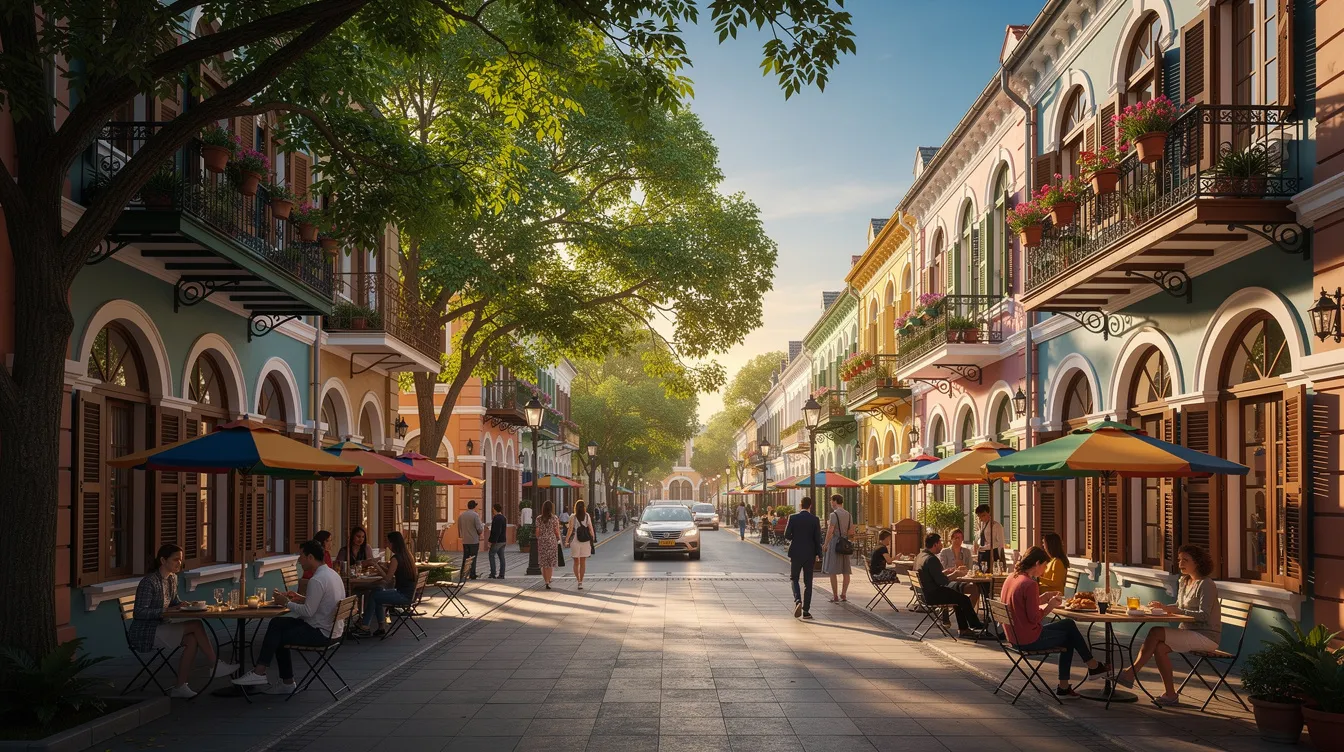
- Mexico City: Big city life with tech hubs, museums, world-class dining
- Mérida: Colonial safety, Mayan culture, family-friendly
- Playa del Carmen and Tulum: Caribbean beaches and tourist infrastructure
- Guadalajara: Mexico’s tech valley with strong startup scene
- Oaxaca: Artisanal culture, slower pace, creative community
Corporate Stays in Mexico City
Corporate Stays provides executive apartments and serviced rentals in central Mexico City neighborhoods including Roma Norte, Condesa, Polanco, and Santa Fe. Properties feature:
- Reliable high-speed internet (200-1Gbps in modern buildings)
- Cleaning services and housekeeping
- Flexible monthly leases ideal for new Temporary Resident Visa holders
- Secure buildings with 24/7 access and concierge support
- Pet-friendly options in selected properties
Next, let’s directly compare Panama and Mexico across the most important factors for digital nomads.
Quick Answer: Who Should Choose Panama vs. Mexico?
If you want tax efficiency, a US-dollar economy, and a compact business-focused hub, Panama is often the better choice. If you prefer more cultural variety, longer stays, and easier regional travel across diverse landscapes, Mexico tends to win.
Choose Panama if you:
- Prioritize paying no local tax on foreign-sourced income and want a clean territorial tax system
- Comfortably meet the $36,000 USD/year minimum annual income requirement from remote work
- Like the idea of a smaller, walkable capital with strong banking infrastructure and easy USD transactions
- Want a more formal nomad visa framework with clear rules rather than adapting a general residency category
- Plan to test Panama as a stepping-stone toward longer-term residency, retirement, or asset protection planning
- Are attracted by Panama being considered the most developed country in Central America, with a high standard of living, economic stability, and modern infrastructure that draws many digital nomads
Choose Mexico if you:
- Want 1–4 years on a single visa with a pathway to permanent residence
- Prefer a broad choice of cities and climates—Mexico City, Mérida, Playa del Carmen, Guadalajara, Oaxaca, and more
- Can meet roughly $2,500–$3,000 USD/month income or demonstrate equivalent savings
- Value rich food culture, museums, architecture, and access to both Pacific and Caribbean coasts
- Don’t mind navigating more variable consulate-specific rules and slightly more complex tax planning
In both cases, choosing serviced apartments from a provider like Corporate Stays means you can satisfy proof-of-accommodation requirements at consulates and immigration offices without signing risky long-term leases before you even know the neighborhood.
Panama’s digital nomad visa is specifically designed to encourage tourism for telecommuting travelers, making it an appealing option for remote workers seeking a stable and developed environment.
Panama vs. Mexico Nomad Visa: Key Comparison Table
Factor | Panama Digital Nomad Visa | Mexico Temporary Resident Visa |
|---|---|---|
Income Requirement | $3,000/month (lower threshold) | $2,500–$3,000/month (varies by consulate) |
Visa Duration | 9 months, extendable to 18 months | 1–4 years (renewable, up to 4 years) |
Tax Treatment | Territorial tax system (no tax on foreign income) | Worldwide tax for residents (tax on global income if 183+ days) |
Cost of Living | Higher (Panama City 20–25% more expensive) | Lower (Mexico City and most cities 20–25% cheaper) |
Lifestyle/Cultural Variety | Moderate (compact, modern, business-focused) | High (diverse cities, climates, and cultures) |
Long-Term Residency | Not a direct path; must switch to other residency (e.g., Friendly Nations Visa) | Pathway to permanent residency after 4 years |
Next, let’s see a detailed side-by-side comparison of all major factors for digital nomads.
Side-by-Side Comparison: Panama vs. Mexico for Digital Nomads
Rather than burying key differences in paragraphs, here’s how the two options stack up across the criteria that matter most to remote workers and corporate relocations. For digital nomads and expats, practicalities like opening bank accounts are essential for managing finances and settling smoothly in Panama or Mexico.
Criteria | Panama Digital Nomad Visa | Mexico Temporary Resident Visa |
|---|---|---|
Visa Type | Dedicated digital nomad visa (Short Stay Remote Worker Visa) | General Temporary Resident Visa (not branded for nomads) |
Income Requirements | $3,000/month ($36,000/year) | $2,500–$3,000/month (varies by consulate) |
Length of Stay | 9 months, extendable to 18 months | 1–4 years (renewable, up to 4 years) |
Tax Regime | Territorial (no tax on foreign income) | Worldwide (tax on global income if 183+ days present) |
Cost of Living | Higher (Panama City 20–25% more expensive) | Lower (Mexico City and most cities 20–25% cheaper) |
Lifestyle/Cultural Variety | Moderate (business-focused, modern, compact) | High (diverse cities, climates, and cultures) |
Long-Term Residency | Must switch to other residency (e.g., Friendly Nations Visa) | Pathway to permanent residency after 4 years |
Safety and Stability | High in business districts, stable economy | Varies by region; safe expat neighborhoods in major cities |
Language and Integration | Spanish (English widely used in business) | Spanish (English common in expat areas) |
Best Fit Summary | High earners, tax efficiency, USD banking, compact city | Diverse lifestyles, families, long-term planners, cultural variety |
Next, let’s explore what daily life is like for digital nomads in Panama City.
Living in Panama City as a Digital Nomad
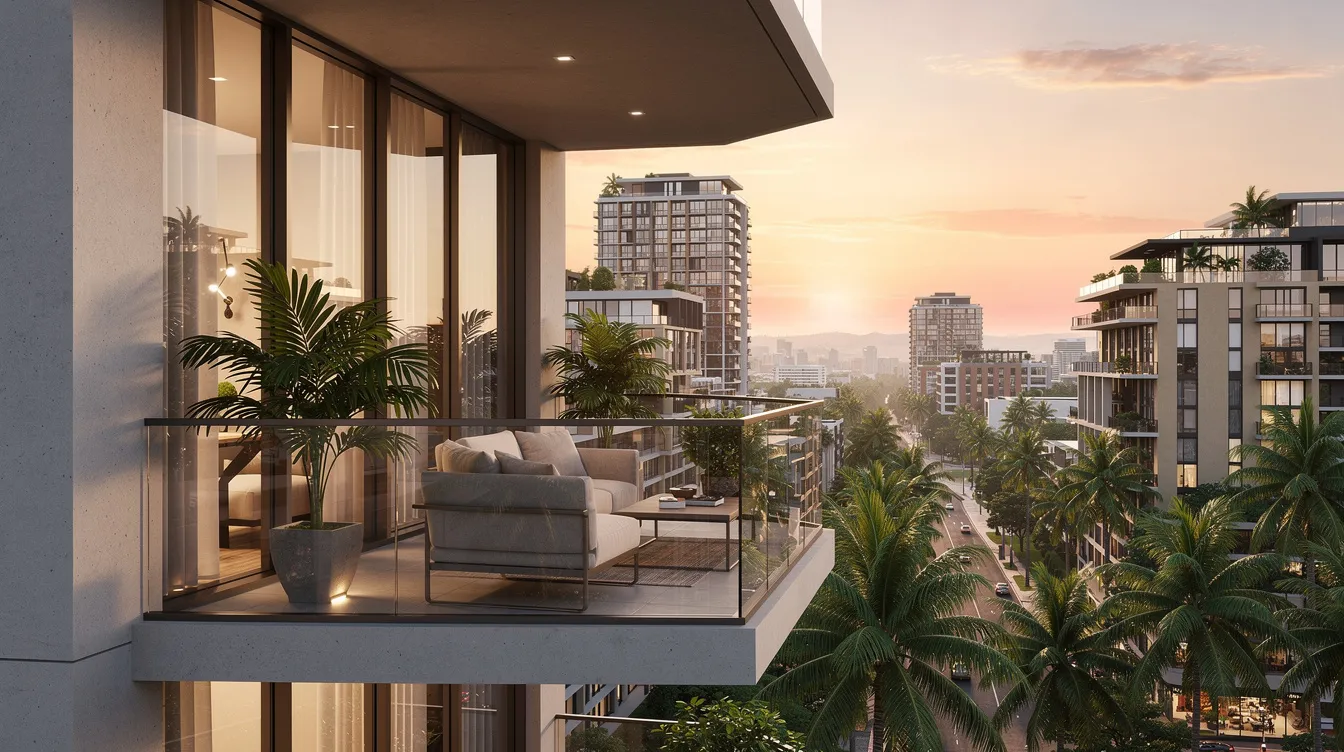
Panama City is a compact, skyline-filled capital with a Miami-adjacent feel, built around the Panama Canal economy, international banking, and logistics services. For digital nomads, it offers a modern, efficient urban environment without the chaos of a megacity.
Cost of Living
Housing in central districts like Punta Pacifica, Costa del Este, Obarrio, and San Francisco is mid-to-high for Latin America but still 40–60% below comparable New York or Toronto neighborhoods. A single nomad living in upscale housing with food and transport should budget $2,500–4,000 USD/month depending on lifestyle preferences.
Dining out, groceries, and transportation remain affordable for those earning “global” salaries in USD or EUR.
Internet and Infrastructure
Panama City has strong fiber internet coverage averaging 100–500 Mbps in serviced buildings. Internet quality is consistently high, making it a top choice for digital nomads who rely on fast and stable connections for remote work. Coworking spaces have proliferated in business districts, and utilities are reliable. This infrastructure suits remote workers who need stable connections for video calls with North American and European teams during overlapping business hours.
Key Neighborhoods in Panama City
- El Cangrejo: Expat-friendly, vibrant nightlife, walkable to restaurants and services
- Obarrio: Business-centric, close to banking and finance districts
- Punta Pacifica: Luxury waterfront high-rises with modern amenities
- Costa del Este: Modern corporate parks, malls, family-friendly residential feel
Corporate Stays Properties
Corporate Stays units in Panama City are positioned in modern high-rise buildings with:
- Work desks and ergonomic chairs for full workdays
- Gym and pool facilities within the building
- Weekly housekeeping services
- Pet-friendly options in selected properties
- 1–6 month leases that let new arrivals settle before committing to long contracts
A Typical Workday
- Start with early morning calls from your serviced apartment balcony in Costa del Este, coffee in hand as the city wakes up.
- Take a midday break for lunch along the Cinta Costera waterfront promenade.
- Spend afternoon work blocks from your apartment or a nearby coworking space.
- Wind down evenings with sunset views over the Canal or exploring the cobblestone streets of Casco Viejo, the historic quarter with restaurants and rooftop bars.
Practicalities
- Safety: Stick to known neighborhoods at night; business districts have low violent crime
- Transport: Uber operates reliably, yellow cabs are common, and the metro covers major routes
- Healthcare: Modern private clinics are accessible with international health insurance, avoiding public system waits
Next, let’s see how Mexico City compares for digital nomads.
Living in Mexico City as a Digital Nomad
Mexico City is a megacity with over 20 million people in the metropolitan area, renowned for its food, culture, museums, and rapidly growing digital nomad community. The tech scene has expanded significantly, and the city now hosts one of the largest concentrations of remote workers in Latin America.
Cost of Living
Rents in Roma Norte, Condesa, and Polanco have risen since 2023 due to expat and nomad demand, but the city remains far more affordable than San Francisco, New York, or Vancouver for those with foreign incomes. Central one-bedroom apartments run $1,200–2,500 USD/month. Overall living costs are 50–70% below major Canadian cities.
Internet and Infrastructure
Mexico City offers excellent fiber internet in modern buildings, with speeds of 200-1Gbps common in trendy zones. The internet quality is a major draw for digital nomads, ensuring fast and stable connectivity for remote work. Coworking spaces are abundant—from international chains to local operators. Many cafes cater specifically to laptop workers with reliable internet and comfortable seating.
Key Neighborhoods in Mexico City
- Roma Norte: Leafy streets, bohemian cafes, Art Deco architecture, creative vibe
- Condesa: Walkable parks (Parque México), tree-lined boulevards, popular with expats
- Juárez: Emerging creative district, slightly more affordable, growing food scene
- Polanco: Luxury shopping, high-end restaurants, corporate presence
- Santa Fe: Modern business district with corporate parks, newer construction

Corporate Stays Properties
Corporate Stays properties in Mexico City function as professionally managed executive apartments with:
- Hotel-like services including housekeeping and concierge support
- High-speed Wi-Fi capable of handling video conferencing and large file transfers
- On-site or nearby coworking spaces and meeting rooms
- Secure buildings with controlled access
- Flexible contracts designed for HR teams relocating staff or individuals testing the city
A Typical Workday
- Begin your morning with espresso at a Roma Norte cafe before settling into a work block from your serviced apartment.
- Enjoy lunch at a local fonda serving cochinita pibil or tacos al pastor for a few dollars.
- Finish afternoon calls by 4 PM, leaving time for a run through Parque México as the light softens.
- Spend evenings at taco stands in Condesa, visit a museum like Museo Soumaya, or enjoy mezcal at a rooftop bar overlooking the neighborhood.
Practicalities
- Transport: The metro is extensive and affordable; Metrobús covers major corridors; Uber and DiDi operate widely
- Air quality: Can be poor on some days; check forecasts and consider neighborhoods with more green space
- Safety: Choose secure neighborhoods, use trusted transport at night, avoid displaying valuables
- Healthcare: Private hospitals like Hospital Ángeles and ABC offer excellent care with international insurance
Next, let’s see how Corporate Stays supports nomads and expats with flexible housing in both countries.
Housing and Lifestyle: How Corporate Stays Supports Nomads in Both Countries
One of the biggest pain points for digital nomads and corporate relocations is finding stable, comfortable housing that doesn’t lock you into rigid 12-month contracts before you even know the neighborhood. Arriving in a new city with visa paperwork pending while simultaneously apartment hunting creates unnecessary stress.
Furnished and Serviced Apartments
Corporate Stays provides fully furnished, move-in ready apartments in both Panama City and Mexico City. Properties come equipped with:
- Quality linens, kitchenware, and towels
- Reliable high-speed Wi-Fi tested for remote work demands
- Smart TVs and entertainment systems
- Dedicated workspaces with proper desks and chairs
You arrive, unpack, and start working. No IKEA runs, no internet installation appointments, no negotiations with landlords.
Flexible Stays
Leases can start at 30 days and scale up to several months or longer. This flexibility is ideal for:
- Digital nomads on new visas who want to explore before committing
- Corporate trial assignments testing a new market
- Families relocating who need time to find schools and permanent housing
- Travelers between long-term destinations who need a professional base
Amenities and Services
Depending on the property, amenities include:
- On-site gyms and swimming pools
- 24/7 security and controlled building access
- Regular housekeeping and linen changes
- Concierge support for local recommendations and logistics
- Pet-friendly options in selected buildings
- Parking for guests with vehicles
Corporate and B2B Focus
Corporate Stays works directly with HR and mobility teams to house employees relocating under Panama or Mexico residency schemes. Services include:
- Consolidated billing and invoicing
- Usage reporting for expense management
- Dedicated account managers for multi-unit bookings
- Customized packages for extended corporate assignments
Visa Support via Housing Documentation
Having a formal lease or booking confirmation from a reputable provider like Corporate Stays can help satisfy “proof of accommodation” requirements at consulates and immigration offices. This documentation is often required during the application process and having professional paperwork simplifies approvals.
Next, let’s break down the tax, residency, and long-term planning considerations for digital nomads in Panama and Mexico.
Taxes, Residency, and Long-Term Planning
Panama Tax Specifics
Panama’s digital nomad visa is built on a territorial tax system. Foreign-sourced income from remote work performed for companies and clients outside Panama is not taxed locally. This simplicity attracts many high-earning remote workers.
Panama also lacks automatic exchange of financial information under the Common Reporting Standard (CRS) with many countries, though this may evolve. Complex situations involving local business activities or Panamanian-sourced income should still be reviewed with local tax advisors.
Mexico Tax Specifics
Mexico taxes residents on worldwide income. Physical presence exceeding 183 days in a calendar year, having your center of vital interests in Mexico, or establishing economic ties can trigger tax residency.
For digital nomads planning multi-year stays under the Temporary Resident Visa, this means potential exposure to progressive tax rates up to 35% on global income. Professional tax advice is essential—not optional—for anyone planning to exceed the 183-day threshold.
Double Taxation and Agreements
Both countries have various tax treaties:
- The US-Mexico tax treaty allows credits to avoid double taxation
- Canada has treaties with both countries addressing residency determinations
- European nationals should check specific bilateral agreements
US citizens must consider the Foreign Earned Income Exclusion (FEIE), which excludes approximately $120,000+ of foreign-earned income from US taxation in 2026, along with foreign tax credits for taxes paid abroad.
Pathways Beyond Nomad Status
- Panama: The Short Stay visa can be a stepping-stone toward longer-term options like the Friendly Nations Visa (requiring a $5,000 bank deposit plus job or business) or other residency categories
- Mexico: Temporary Residents can apply for Permanent Residence after 4 consecutive years, which is attractive for families planning to settle long-term
Risk Management
Recommendations for tax-conscious nomads:
- Keep careful records of days spent in each country throughout the year
- Use tax professionals familiar with digital nomad and cross-border scenarios
- Don’t assume that “remote work” automatically means “no local tax”
- Plan ahead rather than hoping for retroactive solutions
Next, let’s walk through a simple framework to help you decide between Panama and Mexico.
How to Decide: A Simple Framework for Choosing Between Panama and Mexico
Rather than endless comparison, here’s a practical decision framework aimed at remote workers, entrepreneurs, and companies relocating staff in 2026.
Step 1: Income and Tax Filter
Evaluate your income level and tax priorities first.
- If you earn well above $36,000/year and want territorial taxation with no local tax on foreign income, Panama is likely your better fit
- If you’re willing to handle more complex tax planning (tracking days, consulting professionals) in exchange for a richer lifestyle menu, Mexico offers more options
Step 2: Time Horizon
How long do you realistically want to stay?
- Up to 18 months: Panama’s nomad visa works perfectly
- 2–4+ years with potential for permanent residency: Mexico’s Temporary Resident Visa makes more sense
Step 3: Lifestyle Preferences
Consider your daily life priorities:
- Panama City: Compact, highly modern, finance-oriented, walkable in key neighborhoods, consistent infrastructure
- Mexico City (and beyond): Sprawling cultural giant with world-class food, museums, and multiple urban and coastal options across the country
Step 4: Family and Dependents
Families with children might appreciate Mexico’s greater variety of schooling options, including numerous international schools in Mexico City, plus long-term residence pathways. Panama appeals to families prioritizing safety, stability, and international schooling in a smaller, more manageable market.
Step 5: Test Runs and Housing
Before committing to formal visa status:
- Consider spending one quarter in Mexico City and one quarter in Panama City using Corporate Stays apartments
- Experience the daily reality of each city without long-term lease commitments
- Then pursue formal visa status in the location that fits your needs
Step 6: Corporate Relocations
For companies moving staff to Latin America:
- Pilot assignments in serviced apartments in both cities first
- Gather employee feedback on livability, infrastructure, and cultural fit
- Standardize relocation policy based on tax implications and operational needs
- Use Corporate Stays as a consistent housing partner across both markets
Next, let’s answer some of the most common questions about Panama and Mexico nomad visas.
FAQ: Panama vs. Mexico Digital Nomad Options
Can I switch from a tourist stay to a digital nomad or temporary resident visa while already in Panama or Mexico?
Panama generally expects applicants for the Short Stay Remote Worker Visa to file through a Panamanian immigration lawyer. Starting the process while in the country on tourist entry is often possible, though specific procedures and timing should be confirmed with a local attorney familiar with current immigration practices.
Mexico typically requires the first step of the Temporary Resident Visa process at a Mexican consulate abroad. In most cases, visitors on a tourist visa cannot simply convert to temporary residency inside Mexico without leaving and re-entering with the proper visa sticker. Occasional “regularizations” exist but are policy-dependent and unpredictable.
The safest approach: plan ahead and apply from your home country rather than relying on in-country conversions. Rules change, and different offices interpret them differently.
Do I need to speak Spanish to live comfortably as a digital nomad in Panama City or Mexico City?
Basic Spanish is extremely helpful in both countries for daily tasks like groceries, transport, and neighborhood services. However, English is widely spoken in business and expat areas of Panama City—particularly in banking and professional services—and in many parts of Mexico City’s central neighborhoods like Roma, Condesa, and Polanco.
Corporate Stays staff operate bilingually, and many coworking spaces cater to international professionals. That said, learning at least conversational Spanish leads to smoother integration, better pricing awareness (avoiding “gringo prices”), and richer cultural experiences.
Can my partner or family come with me on these visas?
Panama’s Short Stay Remote Worker Visa allows dependents in many cases, but the primary applicant typically must demonstrate higher income or additional financial capacity when bringing a spouse or children. Exact thresholds and documentation requirements should be confirmed with an immigration lawyer.
Mexico’s Temporary Resident Visa can normally be extended to spouses and minor children through family unity procedures once the principal applicant has established residency. This makes Mexico especially appealing for families planning multi-year stays.
For families, starting in larger serviced apartments—like two- or three-bedroom Corporate Stays units—avoids the stress of hunting for long-term housing with dependents in tow while still adjusting to a new city.
Are there coworking spaces near Corporate Stays apartments in Panama City and Mexico City?
Yes, both cities have strong coworking ecosystems. In Panama City, neighborhoods like Costa del Este and Obarrio—where Corporate Stays properties are typically located—have multiple coworking options within walking distance or a short drive.
In Mexico City, Roma, Condesa, Polanco, and Santa Fe all host major coworking brands and independent operators. Many Corporate Stays buildings either have business centers and meeting rooms on-site or are minutes away from dedicated coworking facilities.
That said, high-speed internet within the apartments themselves means some guests never need external coworking unless they specifically want community interaction or access to meeting rooms for client calls.
Is it realistic to maintain residency or tax ties in my home country while on a Panama or Mexico nomad visa?
Immigration status (visa) and tax residency are separate concepts. Holding a Panama or Mexico visa does not automatically end tax responsibilities in your home country.
US citizens remain taxable on worldwide income regardless of where they live, though they can use tools like the Foreign Earned Income Exclusion (FEIE) and foreign tax credits to mitigate double taxation. Canadian residents have different rules around departure and departure tax implications.
Anyone planning multi-year stays in Panama or Mexico should consult a cross-border tax professional to map out how home-country residency rules, new-country requirements, and treaty provisions interact—especially if they own companies, hold significant investments, or have complex income sources.
Whether you choose Panama’s tax-efficient framework or Mexico’s cultural richness, having stable housing from day one makes all the difference. Both countries reward preparation, and both punish assumptions about taxes, visas, and living logistics.
Ready to test the waters? Start your Latin American chapter with Corporate Stays. Explore furnished apartments in Panama City and in Mexico City that let you land legally, work comfortably, and decide where to build your next chapter—without the stress of long-term lease commitments before you’re ready.
Next, let’s see how Panama and Mexico compare to other digital nomad destinations in 2026.
Where Do Panama and Mexico Stand? Digital Nomad Visa Countries in 2026
In 2026, Panama and Mexico have firmly established themselves as leading destinations for digital nomads and remote workers in Central America. As the digital nomad lifestyle continues to gain momentum, more countries are rolling out visa programs specifically designed to attract independent professionals, freelancers, and remote employees from around the world.
Panama stands out in Central America for being one of the first countries in the region to launch a dedicated digital nomad visa, offering a streamlined application process and clear tax advantages for foreign nationals. Its Short Stay Remote Worker Visa has become a benchmark for other digital nomad visa countries, thanks to its straightforward requirements and the appeal of a US-dollar economy.
Mexico, while not offering an official digital nomad visa, remains one of the most popular choices for remote workers due to its flexible Temporary Resident Visa. This visa category, widely used by digital nomads, allows for longer stays and access to a diverse range of cities, from the bustling streets of Mexico City to the laid-back beaches of the Yucatán Peninsula. Mexico’s large expat and digital nomad community, combined with its vibrant culture and affordable cost of living, make it a top contender in the region.
Beyond Central America, other European countries have also launched digital nomad visa programs to attract remote workers. Estonia’s digital nomad visa, introduced in 2020, is open to non-EU nationals and is supported by Estonia’s reputation as a digitally advanced country with robust infrastructure and its innovative e-residency program for online businesses. Similarly, the Greek digital nomad visa offers non-EU nationals the opportunity to live and work remotely in Greece, an attractive destination for remote workers and retirees due to its cultural appeal, cost advantages, and lifestyle benefits. The Netherlands provides a self employed residence permit for independent workers, while many countries are now offering digital nomad visas or temporary residence visas to attract remote professionals from around the world.
Across Central and South America, countries like Costa Rica, Colombia, and Brazil have also introduced their own digital nomad visa programs, each with varying income requirements, visa lengths, and tax implications. However, Panama and Mexico continue to attract many digital nomads due to their established infrastructure, reliable internet, and the ease of integrating into local and expat communities.
For remote workers seeking a balance of adventure, convenience, and professional opportunity, Panama and Mexico remain at the forefront of digital nomad destinations in Central America. Their visa options, combined with a welcoming environment for foreign nationals, position them as ideal bases for anyone looking to embrace the digital nomad lifestyle in 2026 and beyond.