Costa Rica continues to rank among the most attractive destinations for those considering moving to Costa Rica and relocating within Latin America. Known for its political stability, strong institutions, biodiversity, and welcoming residency programs, the country appeals to expats, retirees, and remote professionals seeking a balanced and reliable lifestyle abroad.
In 2026, Costa Rica stands out as a strategic choice for relocation. Modern infrastructure, a respected healthcare system, high-speed internet, and flexible visa pathways make it particularly appealing for North Americans and Europeans planning medium- to long-term stays.
This guide covers the most important factors to consider before moving to Costa Rica, including visa options, cost of living, housing, healthcare, infrastructure, and the best places to live.

Why Move to Costa Rica in 2026?
Costa Rica consistently performs well in global rankings for happiness, environmental sustainability, and quality of life. It remains the happiest country in Latin America and one of the most stable democracies in the region.
Key reasons people relocate to Costa Rica:
-
Stable political system and strong legal institutions
-
No standing army since 1949
-
Over 25% of land protected as national parks and reserves
-
Literacy rate above 97%
-
Universal healthcare system accessible to residents
-
Favorable climate and outdoor-oriented lifestyle
More than 120,000 foreign residents currently live in Costa Rica, forming a diverse and well-established expat community.
Cost of Living in Costa Rica in 2026
The cost of living in Costa Rica remains competitive compared to major cities in the U.S. and Canada. While prices vary by location and lifestyle, San José and the Central Valley offer the best mix of affordability and modern amenities.
| Category | Low Range | High Range |
|---|---|---|
| Furnished Apartment (1BR, San José) | $750 | $1,200 |
| Utilities + High-Speed Internet | $100 | $150 |
| Groceries | $250 | $350 |
| Dining Out & Entertainment | $150 | $300 |
| Transportation (Public/Car) | $50 | $100 |
| Health Insurance (Caja* + Private) | $100 | $200 |
*Caja Costarricense de Seguro Social (CCSS), commonly known as “Caja”.
Total estimated cost for a single person: $1,400 to $2,300/month
For a couple: $2,200 to $3,200/month
Living in coastal or rural areas can reduce housing and grocery costs by 20–30%, while upscale neighborhoods like Escazú or Santa Ana may raise costs due to imported goods and luxury services.
Healthcare System
Costa Rica has two healthcare systems: the public system (Caja) and a robust private sector.
Public Healthcare (Caja)
- Mandatory for residents with legal status
- Monthly contributions based on income (usually $75–$150/month)
- Covers most services, including prescriptions and surgeries
- Long wait times for non-emergencies
Private Healthcare
- Offers faster appointments and access to English-speaking doctors
- Top private hospitals include CIMA (Escazú), Clínica Bíblica (San José), and Hospital Metropolitano
- Private health insurance plans range from $80 to $200/month
Costa Rica’s healthcare system is ranked among the best in Latin America, and many expats maintain both public and private coverage for flexibility.
Best Places to Live in Costa Rica
San José
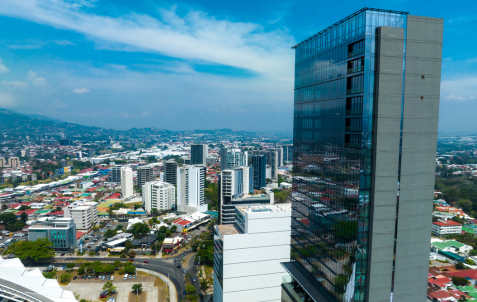
As the capital, San José is the economic and cultural hub. It offers international schools, top-rated hospitals, reliable internet, and an expanding rental market. Ideal for professionals, expats, and digital nomads.
Escazú
Located west of San José, Escazú is known for its upscale homes, private healthcare clinics, and
international supermar
kets. It’s popular with expats seeking luxury living.
Santa Ana
Adjacent to Escazú, Santa Ana offers a suburban lifestyle with a slightly lower cost. It combines modern amenities with a quieter atmosphere.
Tamarindo and Nosara
These coastal towns attract digital nomads, surfers, and seasonal expats. While tourism drives up short-term rental prices, long-term rentals are still accessible in nearby towns.
Atenas and Grecia
Located in the Central Valley, these towns are favored by retirees for their cooler climate, small-town charm, and affordable living.
Visa and Residency Options
Costa Rica offers a range of visa pathways that cater to digital nomads, retirees, and investors.
Digital Nomad Visa
Launched in 2022, the digital nomad visa is designed for remote workers and entrepreneurs.
- Valid for 1 year, renewable for a second year
- Minimum income: $3,000/month for individuals or $4,000/month for families
- Must have international health insurance
- Tax exemption on income earned outside Costa Rica
This visa provides a flexible and tax-efficient option for location-independent professionals.
Pensionado Visa
Targeted at retirees receiving a guaranteed pension.
- Requires proof of $1,000/month in lifetime pension income
- No age requirement
- Allows importation of household goods and a vehicle tax-free
- Eligible for Caja healthcare access
Costa Rica’s pensionado program is considered one of the most straightforward retirement visas in Latin America.
Rentista Visa
Ideal for those with independent income not tied to pensions.
- Requires $2,500/month in income guaranteed for two years, or a $60,000 deposit in a Costa Rican bank
- Valid for 2 years, renewable
- Can lead to permanent residency after three renewals
Inversionista Visa
Designed for investors contributing at least $150,000 to a Costa Rican business, property, or tourism project.
Internet and Infrastructure for Remote Work
Costa Rica’s capital and surrounding areas offer modern infrastructure and reliable internet, making it ideal for remote workers and digital entrepreneurs.
- Average internet speed in San José: 100–200 Mbps
- Major providers: Kolbi, Tigo, Liberty
- Widespread access to coworking spaces and cafés with free Wi-Fi
- Time zone: Central Standard Time (CST) year-round, convenient for U.S. and Canadian clients
Coworking hubs like Selina and Impact Hub have locations in both urban and coastal areas, attracting remote teams and digital creatives.
Housing and Rental Market
The real estate market in Costa Rica is diverse. While property purchases are open to foreigners, many expats choose to rent for flexibility during their first year.
Short-Term Furnished Rentals
- Ideal for digital nomads and new arrivals
- Monthly leases often include Wi-Fi, utilities, cleaning, and basic amenities
- Prices range from $700 to $1,200/month for a 1-bedroom in San José
One standout option is Urban Flats by Corporate Stays, located in the heart of San José. These fully furnished apartments offer flexible terms, high-speed internet, and services tailored to international residents.
Long-Term Rentals
- Often unfurnished
- Annual leases usually require a deposit and one-month advance payment
- Prices range from $500/month in rural areas to $1,500/month in luxury neighborhoods
Moving Logistics
Relocating internationally requires preparation. Here are key factors to keep in mind:
- Shipping belongings by container: $3,000 to $6,000 from North America
- Customs may charge import taxes unless exempt via residency status
- Most expats purchase local furniture or choose furnished rentals to reduce logistics
- Local transportation includes buses, Ubers, and taxis. Owning a car is optional in cities but recommended in rural areas
Costa Rica’s primary international airport, Juan Santamaría International (SJO), is just 20 minutes from central San José, with direct flights from Miami, Toronto, Houston, New York, and more.
Pros and Cons of Moving to Costa Rica
| Advantages | Challenges |
|---|---|
| Favorable climate and natural beauty | Bureaucratic procedures can be slow |
| Affordable healthcare and living costs | The rainy season lasts from May to November |
| Residency options for multiple profiles | Learning Spanish is beneficial, especially outside urban areas |
| Political stability and democratic governance | Some imported goods and electronics are more expensive due to tariffs |
| Growing infrastructure for remote workers |

Final Thoughts
Costa Rica offers a compelling lifestyle for anyone considering a move abroad. With modern infrastructure, attractive visa programs, and a strong focus on sustainability and quality of life, it’s no surprise that Costa Rica continues to top relocation lists in 2026.
If you’re planning to move, start by securing short-term housing that offers flexibility and comfort. Furnished rentals like Urban Flats in San José, offered by Corporate Stays, provide a seamless way to transition into your new life while exploring the city and surrounding areas.
Ready to make Costa Rica your home in 2026? Explore furnished apartments in San José and start your relocation journey with confidence!