City Guides
Mexico City Business Travel Guide
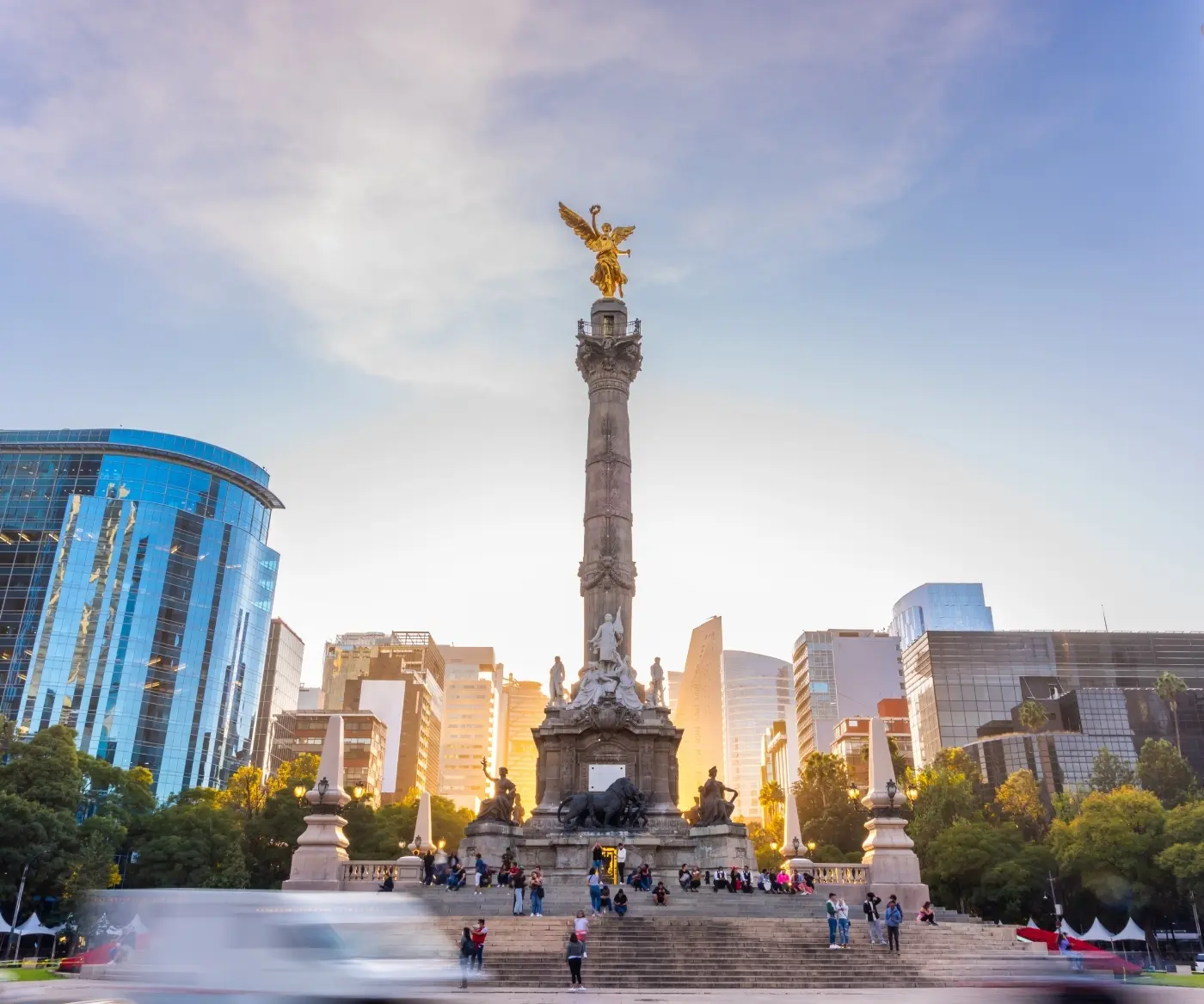
Mexico City is the country’s largest market for corporate and professional work. For Canadian teams, it is a direct flight away and often only an hour off Eastern time. The city rewards preparation, though, and a first trip goes better with a few rules understood in advance.

This guide covers business travel in Mexico City from entry to departure. It explains what Canadians need at the border, where business happens, how to move around safely and where to stay on longer trips.
Entry Rules for Canadians
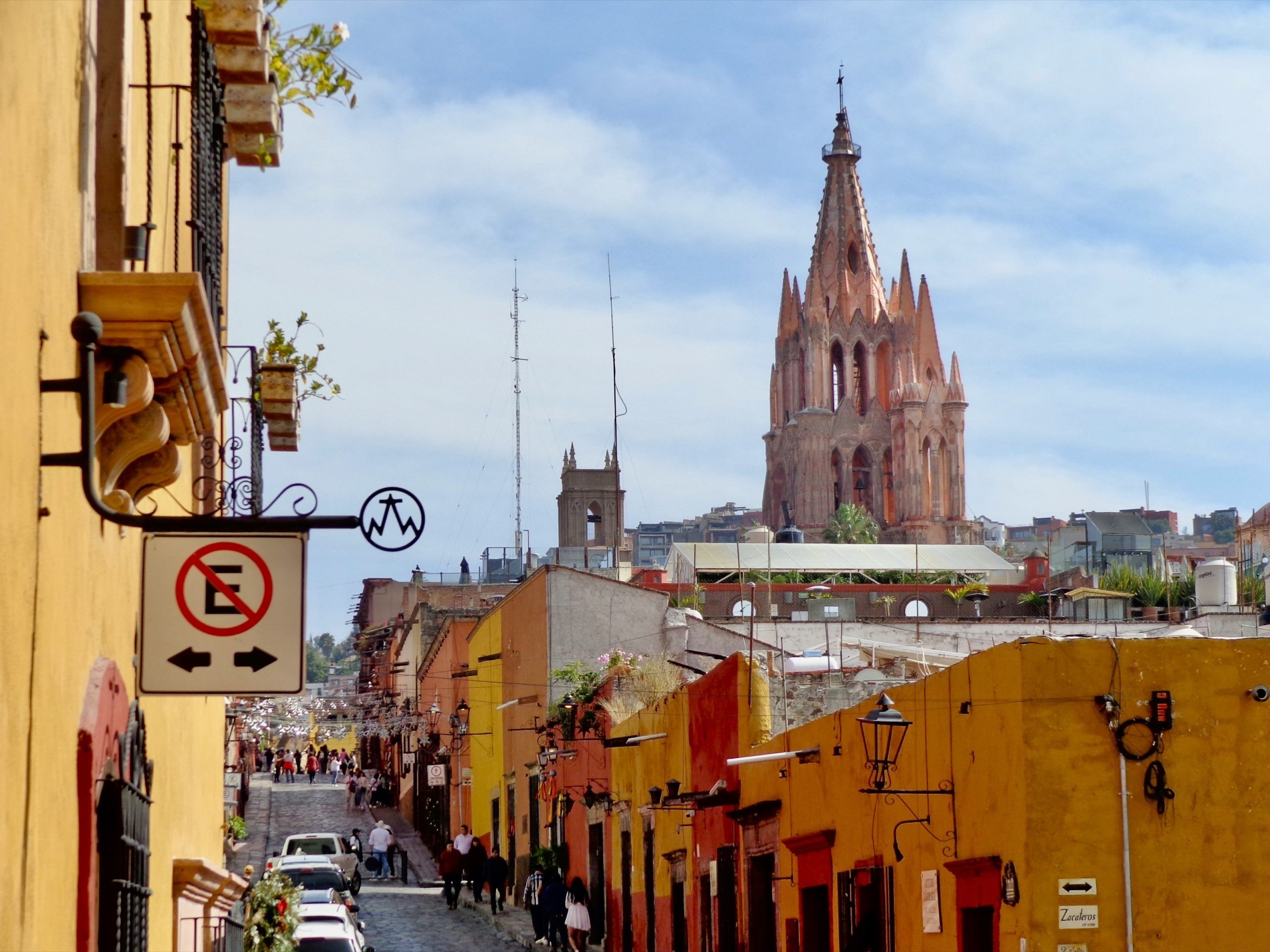
Canadians do not need a visa for business visits of up to 180 days, according to the Government of Canada. Paid work in Mexico is different and requires a work visa. Meetings, negotiations and site visits fall under the visitor category; a local salary does not.
The 180 days are a maximum, not a default. The immigration officer decides how long you may stay. Be ready to explain the purpose of the trip and show your return flight and accommodation details.
Arriving by air, your passport is either stamped or scanned at an e-gate kiosk. Either way, you complete a digital migratory form online on arrival. Download it and keep a copy with you for the whole stay.
You cannot extend your stay or change its conditions from inside Mexico. If an assignment may run long, settle the immigration route before you fly.
Know the Clock and the Climate
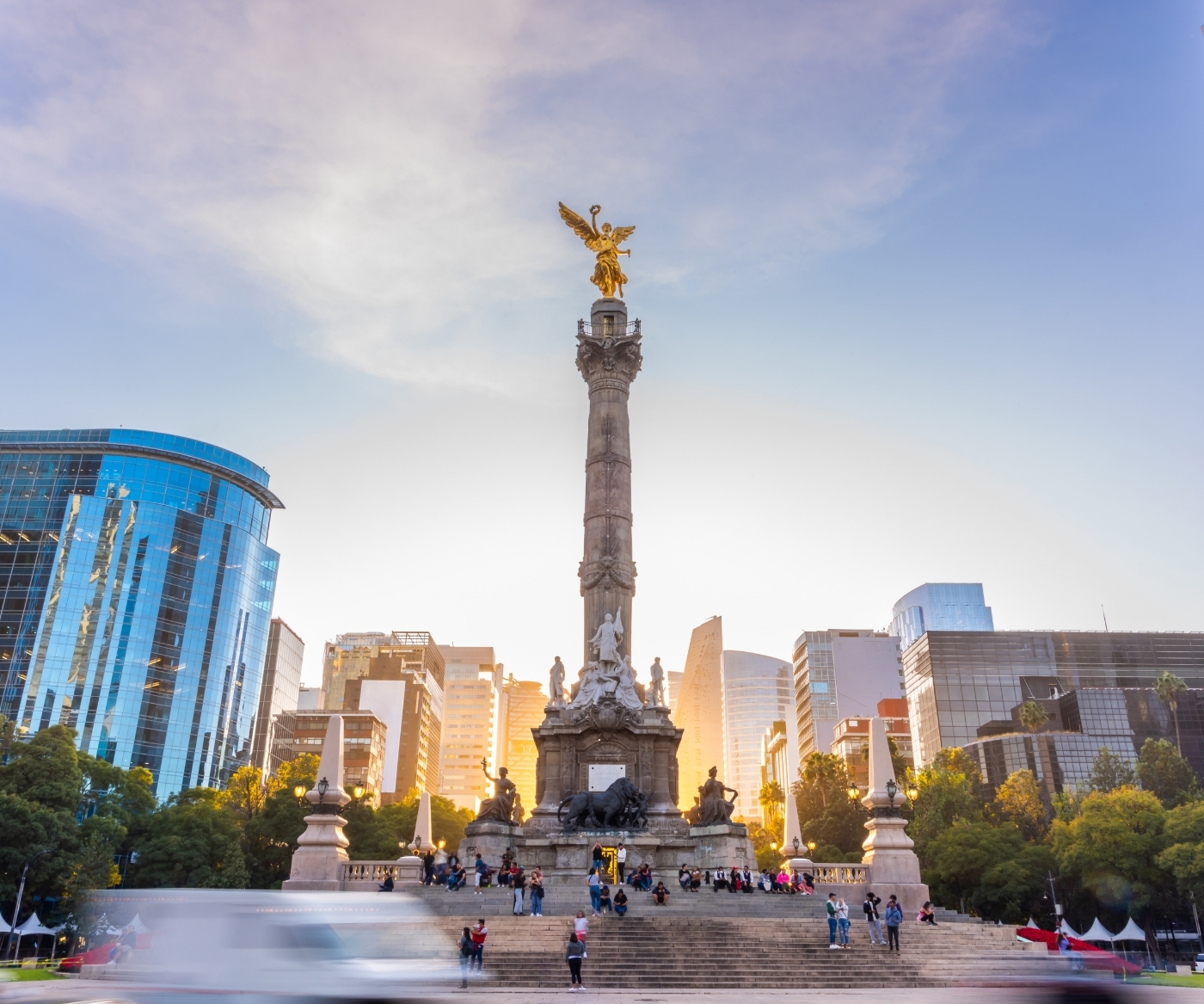
Mexico City runs on Central time all year. Most of the country dropped daylight saving time in 2022. The gap with Toronto and Montreal is one hour in winter and two in summer.
The city sits about 2,240 metres above sea level. Many visitors feel the altitude in the first days, so plan lighter evenings early in the trip. Air pollution tends to peak between December and March.
Afternoon storms are common in the rainy season, roughly May to October. They can slow traffic across the city, so leave margin between meetings.
Where Business Happens
Mexico City is large, and traffic shapes every schedule. Choose your base by where your meetings are, not by the city map.
| District | Who works there | Getting there |
|---|---|---|
| Paseo de la Reforma and Juárez | Banks, consultancies, international firms | Central, walkable, on major transit lines |
| Polanco | Corporate offices, embassies, hospitality | Upscale and walkable; the Embassy of Canada is here |
| Santa Fe | Corporate campuses in the west | Far from the centre; allow extra time by car |
| Insurgentes Sur and Nápoles | Offices around the World Trade Center | Linked to the centre by Metrobús |
A base on Reforma reaches most central districts quickly. Santa Fe is the exception. If most meetings are there, staying nearby saves hours each week.
Getting Around Safely
The Government of Canada rates Mexico at “exercise a high degree of caution,” with stricter advice for several states. Mexico City itself falls under the country-wide level. Its guidance for the capital is practical and worth following.
- Use ride-share apps or official taxis, and avoid hailing cabs on the street.
- Official Mexico City taxis are pink and white, with plates starting in A or B.
- At the airport, book and prepay your taxi inside the terminal.
- Before a ride-share, confirm the driver and licence plate in the app.
The Metrobús is generally reliable. The Metro is fast but very crowded at rush hour, and pickpocketing is common. Keep valuables out of sight on both.
Demonstrations are frequent in the centre and can close roads at short notice. Foreigners are not allowed to take part in political activity, including protests. Check local news before crossing the city for an important meeting.
Phone-based extortion targets visitors, often through hotel lines. Do not share your room or apartment number with callers you do not know.
Money and Business Etiquette
The currency is the Mexican peso. Cards are widely accepted in business districts, but keep small bills for tips and taxis. Use ATMs inside banks or businesses rather than on the street.
Business culture is relationship-driven. First meetings often start with personal conversation before the agenda. Lunch is the main meal and usually runs mid-afternoon, so expect meetings to extend around it.
Spanish is the working language in most offices. Even basic phrases are appreciated. For negotiations, an interpreter or a bilingual colleague is a sound investment.
Health and Practical Notes
Drink bottled or filtered water, and be selective with raw food in the first days. Private hospitals in the city offer good care but usually require payment upfront. Travel insurance with medical coverage is essential.
Mexico City is in an active seismic zone, and the city runs a public earthquake alert system. Learn your building’s exit route on the first day. Emergency services answer at 911.
The Embassy of Canada is at Calle Schiller 529 in Polanco, telephone +52 55-5724-7900. Registering your trip with the Government of Canada lets officials reach you in an emergency.
Where to Stay for Longer Trips
For a short visit, a hotel near your meetings works well. Past a week or two, the arithmetic and the routine change. A furnished apartment gives you a kitchen, a separate workspace and room to live, not just sleep.
Corporate Stays opened in Mexico City with Josefa by Urbanista on Paseo de la Reforma, in Juárez. The location puts the Reforma corridor within walking distance and Polanco a short ride away.
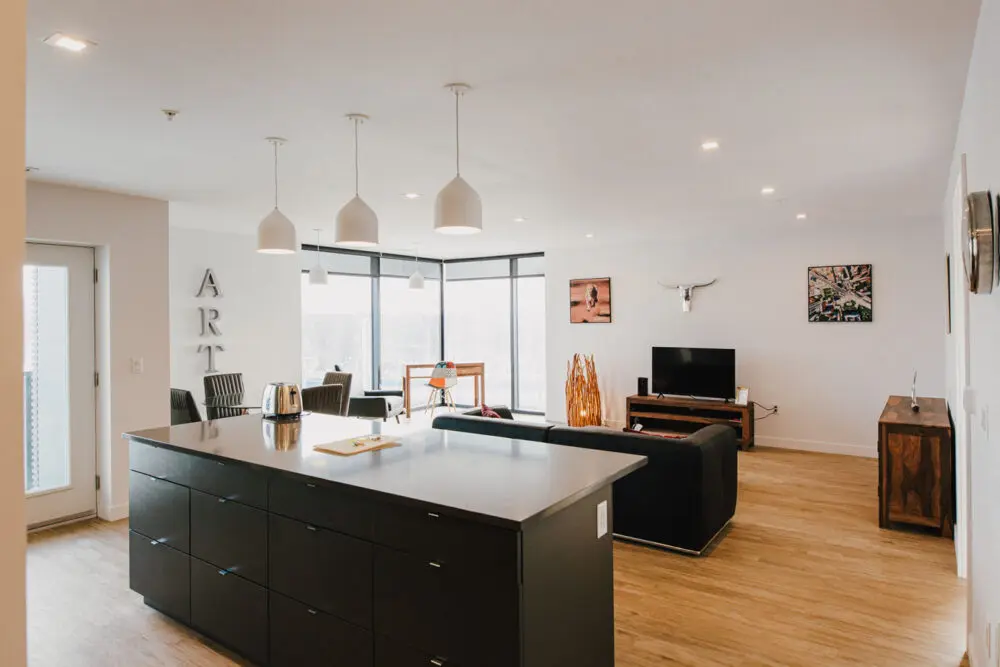
Each apartment includes furniture, a full kitchen, utilities and Wi-Fi, with initial linens and toiletries on arrival. Housekeeping is available at an additional cost. Some buildings accept pets for a fee. Rates are available on request, and each apartment shows its minimum stay.
For senior leaders, our executive accommodations team handles placements end to end. Our guest support team is available around the clock in English and Spanish.
View Availability · Request Quote
Sources: Government of Canada, Mexico travel advice (updated October 2026) · INM digital migratory form
FAQ: Business Travel in Mexico City
Do Canadians need a visa for a business trip to Mexico City?
No visa is needed for business visits of up to 180 days. Paid work in Mexico requires a work visa.
How long can a business visitor stay in Mexico?
Up to 180 days, but the immigration officer decides the exact length on arrival. Be ready to show your return flight and accommodation.
What is the safest way to get around Mexico City?
Use ride-share apps or official taxis, and avoid hailing cabs on the street. At the airport, prepay your taxi inside the terminal.
Which Mexico City districts suit business travellers?
The Reforma corridor and Juárez are central and walkable. Polanco suits corporate offices and embassies. Santa Fe suits meetings on its corporate campuses.
Where should I stay for a long business trip to Mexico City?
Past a week or two, a furnished apartment offers a kitchen and workspace. Corporate Stays has apartments on Paseo de la Reforma in Juárez.