In 2026, property owners face a critical decision: pursue the premium yields of furnished corporate rentals or stick with the predictability of traditional long term leases. With new local regulations reshaping markets across Canada and Latin America, your rental strategy choice has never mattered more.
Key Takeaways
- Furnished rentals can generate 15–40% higher effective monthly revenue in core business hubs like Toronto, Montréal, and Mexico City, but require higher capital outlay and more hands on management.
- Traditional long term leases offer lower volatility, simpler operations, and easier financing through programs like Canada Mortgage qualifications, but provide less flexibility and slower response to market demand shifts.
- New 2024–2026 regulations in Toronto, Vancouver, and Mexico City are tightening pure short term vacation rentals of 30 days and more, making professionally managed furnished mid-term rentals more attractive for many owners.
- Corporate Stays specializes in furnished executive apartments across Canada and Latin America, helping investors capture higher yields without taking on hotel-style operations themselves.
Furnished Rentals vs Long-Term Leases: What’s the Core Difference?
From an investor’s lens, furnished rentals are fully equipped, move-in ready properties typically offered for stays of 30 days or longer. Long term rental properties involve 12-month-plus unfurnished contracts aimed at local residents seeking primary housing. Short-term rentals typically refer to properties rented for days or weeks at a time, while long-term rentals are leased out for months or years, usually through a lease agreement with consistent tenants.
This article focuses on investment property performance in 2026—not short term vacation rentals like nightly Airbnb stays. When considering the term vs approach, furnished units target corporate travelers, relocating employees, digital nomads, and families in transition. Long term tenants are typically local workers, students, and families prioritizing steady income housing. Managing short-term rentals requires more hands-on involvement, including frequent cleaning, guest communication, and handling bookings, compared to the lower management effort required for long-term rentals.
Corporate Stays operates in the furnished segment, providing corporate housing and serviced apartments, often partnering with owners seeking stable, professional property management.

Personal Use Considerations: Flexibility and Lifestyle Value for Investors
For many property owners, the ability to enjoy their investment property for personal use is a key consideration when choosing between short term rentals and long term rentals. Short term rentals offer unmatched flexibility, allowing owners to reserve their property for personal vacations, family gatherings, or special occasions—especially during peak seasons or local events. With the rise of sophisticated booking platforms, it’s easier than ever for owners to block off dates for personal use, adjust rental prices dynamically, and maximize rental income when the property isn’t occupied by guests.
This flexibility is particularly appealing to owners who want to balance generating income with enjoying their property as a secondary residence. Many owners appreciate the option to use their investment property themselves, whether for a quick getaway or as a home base during business trips. However, it’s crucial to remember that local regulations—such as those in British Columbia or Toronto—may restrict short term rentals or require specific permits. Ensuring compliance with these local laws is essential to avoid legal issues and protect your investment.
In contrast, long term rentals typically involve leasing the property to long term tenants for extended periods, often a year or more. This arrangement provides a steady income stream and reduces the need for hands on management, as long term tenants are more likely to treat the property as their own home, resulting in less frequent turnovers and potentially less wear and tear. However, the trade-off is that property owners have limited access to the property for personal use, as the lease terms generally prevent owners from occupying the space during the rental period.
When evaluating which rental strategy aligns best with your financial goals and lifestyle, it’s important to weigh the pros and cons of each approach. Short term rentals can offer higher income potential and greater flexibility, but may require more active property maintenance and management, as well as careful attention to local regulations. Long term rentals, on the other hand, provide predictable cash flow and less day-to-day involvement, but limit opportunities for personal use.
To make an informed decision, property owners should consider their risk tolerance, desired level of involvement, and long-term objectives for the investment property. Consulting with a property manager or real estate expert can help clarify the best path forward, ensuring your rental strategy supports both your income goals and your lifestyle preferences. By carefully considering these factors, you can maximize your property’s potential—whether you prioritize personal use, steady income, or a balance of both.
Regulatory Landscape in 2026: Why It Matters for Your Strategy
Post-2023 housing affordability pressures have led to stricter local rules on short term rentals, favoring 30+ day furnished stays and traditional long term leases. Understanding local laws is essential before committing capital.
Key regulatory themes in Canada:
- Federal pressure on municipalities to prioritize long-term rental supply
- Stricter enforcement funds announced in 2023–2024
- Clear distinction between under-30-day stays and compliant corporate housing
City-specific examples:
- Toronto: Primary-residence requirements for nightly platforms; mid-term furnished rentals compliant with 30-day minimums remain in a stable legal zone
- Vancouver: Licensing mandates and speculation taxes target short stays; British Columbia legislation emphasizes returning units to long-term availability
- Mexico City/Bogotá: Growing regulation of Airbnb-style stays, but clearer paths for corporate housing and extended-stay furnished rentals
To ensure compliance and avoid legal issues, design your furnished strategy around compliant 30+ day leases through corporate housing providers like Corporate Stays.
Demand Trends for 2026: Who Is Renting What, and Where?
Tenant demand is being shaped by hybrid work, corporate relocations, immigration, and tight vacancy rates through 2026.
Furnished rental demand drivers:
- Corporate relocation projects and infrastructure builds
- Film and TV production crews (Ontario’s 30% production rebates)
- Remote professionals needing 1–6 month stays near employment hubs
- Key markets: Toronto, Calgary, Montréal, Vancouver, Mexico City, Panama City
Vacancy rate projections (2026): | City | Projected Vacancy | |——|——————-| | Vancouver | 1.2% | | Montréal | 1.5% | | Toronto | 1.8% | | Calgary | 1.9% |
Long term lease demand drivers:
- Local families and new immigrants settling permanently
- Students at universities like UBC and UofT
- Workers seeking predictable monthly rent at 12–24 month terms
Furnished corporate demand often peaks around local events, project kick-offs, and peak seasons, while long term leases offer more stable but slower-moving occupancy with fewer turnovers.

Return on Investment: Furnished Rentals vs Traditional Long-Term Leases
ROI comes from rental income yield, vacancy rates, operational costs, and capital appreciation. Furnished and unfurnished models create different trade offs across these components.
Revenue comparison:
- Well-positioned furnished units earn 15–40% higher monthly income than equivalent unfurnished leases
- Dynamic pricing and corporate contracts help stabilize cash flow across the year
- Long term leases offer steady income but rent control in Ontario (2.5% cap for 2026) limits upside
Numerical example (Toronto 1-bedroom condo, $750,000 purchase):
Model | Monthly Gross | Annual Net Cash Flow | Cap Rate |
|---|---|---|---|
Unfurnished long term | $3,000 | ~$25,000 | 4.0% |
Furnished mid-term | $4,000 | ~$38,000 | 6.4% |
Unlike short term rentals dependent on tourism, corporate-focused furnished stays can achieve 90-95% occupancy with proper positioning. Financing implications: lenders often prefer stable lease income, but investors partnering with Corporate Stays can present bankable furnished income streams.
Cost Structure and Operational Complexity
Higher rental income from furnished rentals comes with higher setup costs and operational costs.
Upfront costs (2026 CAD, 1-bedroom):
- Quality furniture: $6,000–$10,000
- Kitchenware and linens: $1,500–$2,500
- Electronics and internet setup: $1,500–$2,500
- Professional photography: $500
- Total: $10,000–$18,000
Ongoing costs:
- Furnished: utilities ($150-250/month), frequent cleaning, restocking, higher wear and tear reserves (25-35% of revenue)
- Long term: tenants cover utilities/internet, minimal cleaning, leaner budgets (10-15% of revenue)
Time commitment differs significantly. Furnished rentals require guest communication, check ins, and fast issue response, which introduces potential challenges such as dealing with problematic tenants, property maintenance issues, and the complexities of managing multiple units or leases.
Managing short-term rentals requires more hands-on involvement, including guest communication, booking management, and frequent cleaning between stays, which can increase operational demands. Short-term rental management also often entails higher marketing and operational costs, as property owners need to invest in professional photography, compelling descriptions, and advertising to attract guests.
Many investors mitigate complexity through professional services like Corporate Stays, which absorbs day-to-day operations in exchange for a management fee or revenue share.
Risk Profile: Income Volatility, Vacancy, and Regulatory Risk
Your risk tolerance is often the deciding factor between strategies.
Income volatility:
- Furnished rentals can experience variable occupancy if tied to tourism
- Corporate-focused furnished stays with extended periods contracts reduce this volatility
- Security deposit and reserve fund requirements differ between models
Vacancy risk comparison:
- Long term leases: fewer turnovers but 1-2 month gaps between tenants
- Furnished rentals: higher turnover but shorter gaps when marketed to corporate clients via booking platforms
Regulatory risk:
- Under-30-day rentals face the most scrutiny and potential legal issues
- 30+ day furnished and traditional long term leases sit on more stable legal ground
Property risk:
- Higher traffic in furnished units increases property damage probability and property maintenance needs
- Long term leases concentrate risk in tenant screening to avoid problematic tenants
Many owners choose to diversify by mixing furnished corporate-ready units with stable long term lease holdings.
Tenant & Guest Profiles: Matching Space to Strategy
Understanding who will occupy your property drives design decisions and marketing channels.
Furnished rental occupants:
- Corporate assignees on 3–9 month projects
- Executives during relocations
- Medical professionals on contracts
- Film crews and insurance-related displacement families
- These guests expect hotel-like reliability: high-speed Wi-Fi, dedicated workspace, premium bedding—typical of Corporate Stays apartments
Long term lease tenants:
- Local workers, students, and families seeking personal use primary residences
- Prioritize rental prices per square foot and school catchments over full-service amenities
Marketing channels:
- Furnished: corporate travel departments, relocation partners, digital platforms
- Long term: local listing sites, brokers, community networks
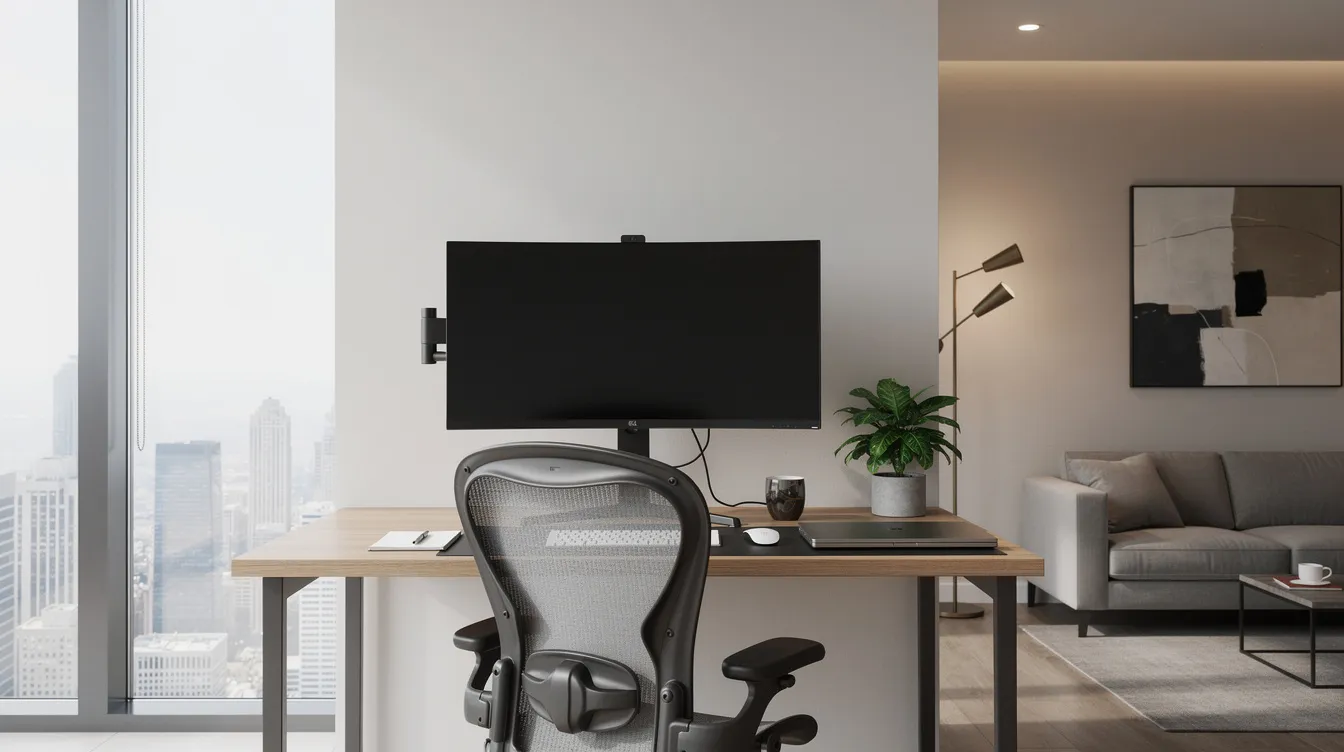
Studios and 1-bedrooms often perform best as furnished executive apartments, while larger units may suit family-oriented long term leases unless targeting corporate families.
Hybrid & Mid-Term Models: Bridging the Gap in 2026
Mid-term furnished rentals (30 days to 12 months) represent a middle ground between nightly stays and traditional 1-year unfurnished leases.
Hybrid strategy benefits:
- Offer 3–6 month corporate stays, then transition to 12-month contracts for local professionals
- Smooth seasonality while staying compliant with local regulations
- Fewer turnovers than tourist-focused short stays
- Higher monthly income than standard long term rental investments
Corporate Stays structures many agreements as mid- to long-term furnished stays, capturing premium rates while staying within 30+ day regulatory frameworks.
Operational needs:
- Standardized furnishing packages
- Professional cleaning schedules
- Centralized booking and dynamic pricing systems
Investors can allocate part of a portfolio to furnished mid-term rentals while keeping the rest on conventional long term leases for diversification.
How Corporate Stays Helps Investors Monetize Furnished Rentals
Corporate Stays is a specialized provider of premium furnished rentals and corporate housing across Canada and Latin America, operating more than 4,500 move-in ready units.
Partnership models:
- Master-lease units from property owners
- Co-manage properties with investors
- Support developers in designing buildings optimized for serviced apartments
Value-added services:
- Professional interior design and standardized furnishing packages
- Listing and revenue management with property manager expertise
- Guest relations, housekeeping, and 24/7 support
Customer segments:
- HR and mobility teams of multinational companies
- Relocation agencies and insurance companies
- Film production houses and high-value travelers
Geographic presence: Montréal, Toronto, Vancouver, Calgary, Ottawa, Mexico City, Bogotá, and Panama City.
Working with a serviced-apartment operator lets investors benefit from higher nightly rates equivalent revenue without running a hospitality business themselves.
Which Strategy Wins in 2026? Decision Framework for Investors
No universal winner exists. The best strategy depends on your financial goals, risk tolerance, and location. However, 2026 conditions strongly favor compliant furnished corporate models in major business hubs.
When furnished rentals win:
- Strong capital reserves available
- Properties in central business districts or near hospitals/universities
- Access to corporate housing partners like Corporate Stays
- Higher risk, high reward appetite
When long term leases are preferable:
- Suburban or secondary local market locations with less corporate traffic
- Highly regulated cities where furnished premiums are limited
- Maximum simplicity desired with minimal daily involvement
Decision checklist: | Factor | Favors Furnished | Favors Long-Term | |——–|——————|——————| | Risk tolerance | High | Low | | Time capacity | Available | Limited | | Financing needs | Flexible | Traditional | | Hold period | 5-10 years | Any |
5-10 year outlook: Corporate mobility, cross-border projects, and remote work will sustain demand for flexible furnished housing. Chronic housing undersupply maintains demand for long term leases—Canada needs 3.5 million units by 2030.
After careful consideration, evaluate your current portfolio and assess your property’s potential to determine which investment strategy aligns best with your goals. Contact Corporate Stays to explore furnished partnership options suited to your city and property type.
Final Thoughts
Making an informed decision between furnished rentals and long term leases requires understanding the local market, your impact profitability goals, and operational capacity. Both strategies can deliver strong term rental income when executed properly.
The 2026 landscape favors investors who adapt to regulatory shifts and partner with professional operators. Whether you’re seeking higher monthly income through furnished corporate stays or steady income through traditional leases, the key is aligning your strategy with market demand.
Ready to explore how furnished rentals could transform your property’s potential? Contact Corporate Stays to discuss partnership opportunities across Canada and Latin America.
FAQ
Is investing in furnished rentals still viable with all the new short-term rental rules?
Many 2024–2026 regulations specifically target stays under 30 days. Furnished rentals with 30+ day minimums remain legally supported in most major cities. Corporate Stays structures stays around these rules, helping investors remain compliant while benefiting from furnished-level returns.
How much extra should I budget to furnish an investment condo in 2026?
Budget approximately $10,000–$18,000 CAD for a turnkey 1-bedroom in a major Canadian city, covering furniture, décor, kitchenware, linens, and electronics. Include a reserve fund for replacements over 3-5 years. Corporate Stays can optimize these packages through scale.
Do lenders treat income from furnished rentals differently than long-term leases?
Traditional lenders prefer long-term, fixed leases but are increasingly open to corporate housing income backed by track records and contracts. Document occupancy history and management agreements to strengthen mortgage applications based on furnished income.
What locations are best suited for furnished rentals compared to unfurnished long-term leases?
Furnished rentals perform best near central business districts, major hospitals, universities, and tech hubs in cities like Toronto, Montréal, Vancouver, and Mexico City. Outlying suburbs with little corporate demand often favor traditional long-term leases.
Can I convert an existing long-term rental unit into a furnished corporate apartment?
Conversion is usually possible if local bylaws allow 30+ day furnished stays. Plan for vacancy during transition, furnishing costs, and updated insurance. Partnering with Corporate Stays can help design the conversion and start feeding demand quickly after launch.